


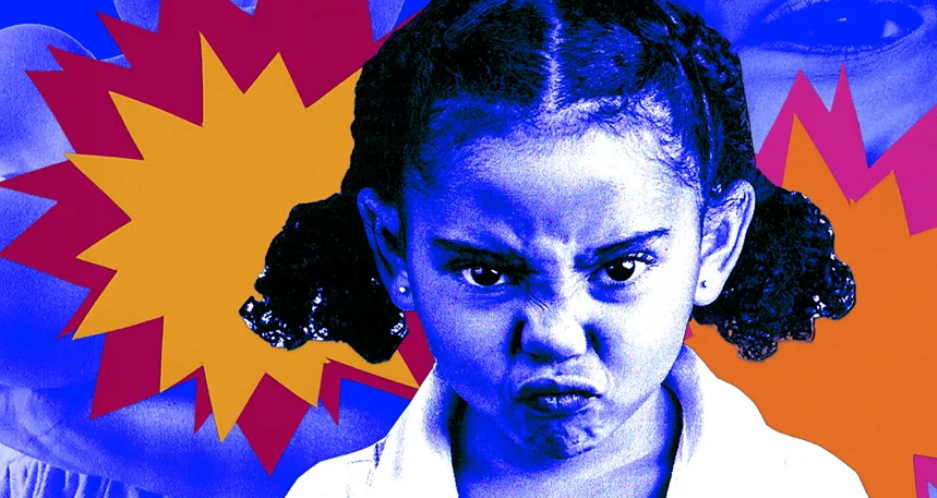
Long overlooked by researchers, the age between six and 12 — known as “middle childhood” — is increasingly being recognised as a crucial phase in a child’s emotional and psychological development. Experts now say that this period, sometimes referred to as “wobbly-tooth puberty,” is filled with profound transformations that help shape future identity, emotional resilience, and social skills.
The term Wackelzahnpubertät, used in German-speaking countries, refers to the sudden shifts in behaviour that often accompany this stage: mood swings, defiance, and emotional outbursts. Unlike adolescent puberty, this phase isn’t driven by hormones, but by rapid brain development and growing social pressures.
“Middle childhood is a key stage in which a child is constructing their identity and trying to figure out who they are in relation to others,” says Evelyn Antony, a psychology researcher at Durham University in the UK. “Their emotional world is expanding as well.”
Until recently, this age group was largely underexplored in psychological research, often overshadowed by the early childhood years and adolescence. But new studies are now highlighting just how complex and critical these years are.
Children in middle childhood are learning to reflect on their emotions and regulate them more effectively. They begin developing an “advanced theory of mind” — the ability to understand and anticipate others’ thoughts and feelings — and start to engage in rational thinking and self-reflection. In France, the age is even referred to as l’âge de raison, or the “age of reason.”
These developments bring challenges. As children seek more independence, they also face more social complexity: navigating friendships, obeying adult authority, and managing their own frustrations. They may become moody or argumentative, symptoms of the emotional tension they are learning to manage.
But their brains adapt. Children build emotional vocabulary, learn to identify mixed feelings, and begin to use coping mechanisms such as “cognitive reappraisal,” where they reframe problems to reduce stress — a key step toward emotional maturity.
Social dynamics also shift. “Middle childhood is when reciprocal friendships begin to form,” says Simone Dobbelaar, a psychologist at Leiden University in the Netherlands. Children begin to understand that friendships require mutual effort and trust, leading to deeper emotional bonds outside the home.
Parents, researchers say, can play a key role in supporting this growth. By modelling healthy emotional expression and providing a safe environment for reflection and learning, they can help children navigate this often-overlooked but vitally important stage.
As scientists uncover more about these “forgotten years,” one thing becomes clear: middle childhood is not just a bridge between babyhood and adolescence — it’s a transformational period in its own right.
