


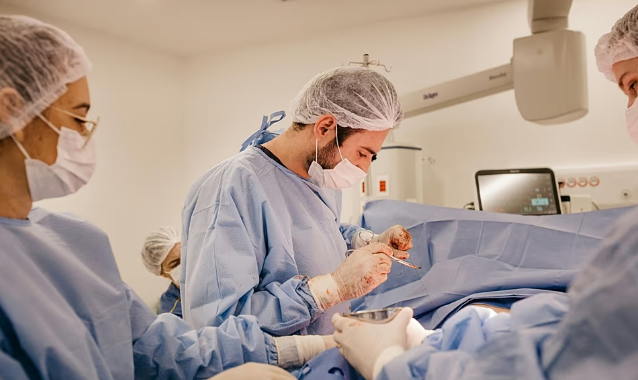
The world is heading towards a severe shortage in cancer care professionals that could leave health systems overwhelmed by mid-century, according to a major new analysis published in The Lancet Oncology Commission and presented at the 2026 American Society of Clinical Oncology meeting.
Researchers estimate a global deficit of nearly 100 million cancer workers by 2050, a gap that spans nurses, researchers, and diagnostic specialists, and threatens to worsen existing inequalities in cancer treatment and survival rates worldwide.
The study projects that Africa and Asia will bear the heaviest burden, with shortages of 34.3 million and 57.3 million cancer workers respectively. However, the authors stressed that no region will be immune to the crisis. Low- and middle-income countries are expected to face acute shortages driven largely by the migration of skilled professionals abroad, while high-income nations are already experiencing workforce strain due to burnout, mental health challenges and budget constraints.
Among all categories of healthcare workers, nurses and diagnostic specialists such as radiologists and pathologists are expected to be most in demand. The report estimates a global need for more than 65 million additional nurses and around 16 million more diagnostic professionals by 2050.
“Our global initiative brings a clear warning: without urgent action to address critical workforce shortages, we risk a cancer crisis unlike anything we’ve seen before,” said Dr Hedvig Hricak of Memorial Sloan Kettering Cancer Center, who co-led the commission.
She called for immediate national-level strategies, improved workforce planning, greater use of task-sharing models, and expanded use of digital health tools and artificial intelligence. She also emphasised the importance of long-term investment in training and cross-sector partnerships to strengthen cancer care systems.
The report highlights that workforce gaps are not only affecting patient care today but also slowing progress in research. A reduced number of trained professionals limits the ability to design studies, interpret findings and translate discoveries into treatment and policy improvements.
Cancer itself is rising at an alarming pace. The study describes the disease as a “silent pandemic,” projecting global cases to increase from 20 million in 2022 to 35.3 million by 2050, with annual deaths expected to reach 18.5 million. Around 70% of these new cases will occur in low- and middle-income countries.
Researchers used a global microsimulation model covering 200 countries and 17 major cancer types to map future incidence and workforce needs. The findings show incidence rates rising from 165 to 200 cases per 100,000 people over the next quarter-century, with lung, breast, colorectal and prostate cancers remaining the most prevalent.
Professor Mark Lawler of Queen’s University Belfast, a co-author of the report, described the findings as a global warning. He said the widening gap between rising cancer cases and shrinking workforce capacity must be addressed urgently, warning that delayed action could deepen health inequities worldwide.
