


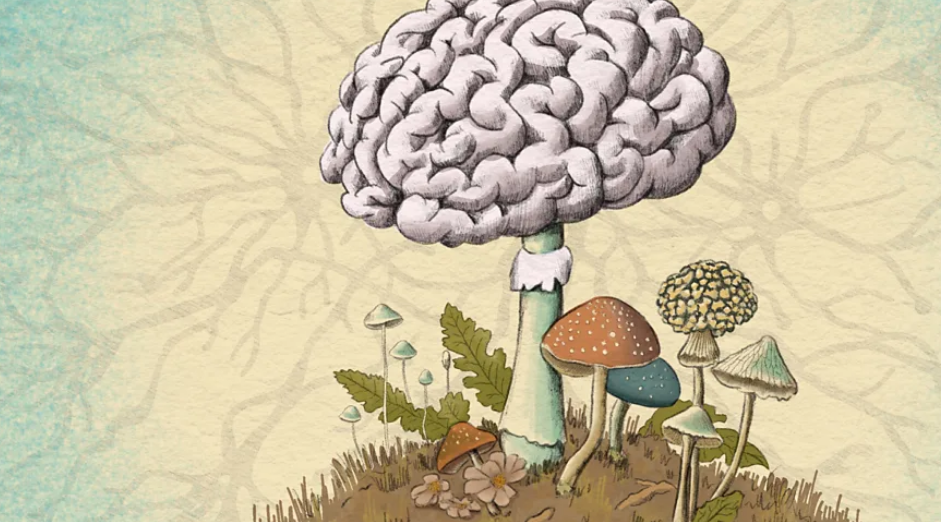
Fungi, long overshadowed by bacteria in medical research, are emerging as potential key players in human health—particularly in the brain. While fungal infections in the brain have traditionally been seen as rare and dangerous, scientists are now exploring whether some fungi living inside the human body could also play a role in neurological diseases like Alzheimer’s.
Recent research is challenging the notion that fungi are merely external threats. Instead, experts suggest that some fungal species, which colonize the skin, lungs, gut, and even reproductive tracts, may influence everything from immune health to mental well-being. The idea is still in its infancy, but a growing number of scientists are urging further study.
“Fungi are definitely a critical part of being a healthy human,” said Matthew Olm, a microbiologist at the University of Colorado Boulder. Many fungi enter the body harmlessly through food, drink, or air. Most are killed by the immune system, but some remain as lifelong companions—or turn harmful under certain conditions.
Rebecca Drummond, a fungal immunologist at the University of Birmingham, noted that serious fungal infections of the brain, though rare, have become more common due to rising numbers of immunocompromised individuals. Diseases such as HIV and increasing use of immune-suppressing drugs in cancer and transplant patients have contributed to the trend.
Fungi such as Aspergillus and Cryptococcus can enter the body via the lungs and travel to the brain, sometimes forming tumour-like masses or releasing toxins that damage nerves. Brain infections from fungi often prove fatal, with limited treatment options due to a shortage of antifungal drugs capable of crossing the blood-brain barrier.
Beyond these known infections, some researchers believe fungi may play a more subtle and previously overlooked role in neurodegenerative diseases. Richard Lathe, a molecular biologist at the University of Edinburgh, is among those exploring the potential link between fungal presence in the brain and Alzheimer’s disease. He cites cases where dementia symptoms improved after patients received antimicrobial treatment.
Lathe argues that microbial invaders—fungi included—could cross the blood-brain barrier more frequently than previously believed, especially as the immune system weakens with age. He suggests that proteins long associated with Alzheimer’s may be part of the brain’s natural defense response to such microbes.
In one preliminary study, Lathe’s team found microbial DNA—bacterial, viral, and fungal—in postmortem brain tissue, with higher quantities in Alzheimer’s patients. Although not yet peer-reviewed, the findings add weight to the theory that infections could play a role in brain deterioration.
The hypothesis remains controversial. Critics, including Olm, argue that microbial fragments could be environmental contaminants or reflect a compromised blood-brain barrier rather than an active disease cause. More definitive evidence is needed to establish causation.
Still, the research raises an intriguing question: could strengthening immune defenses, perhaps with broad-spectrum vaccines, offer protection against cognitive decline?
While far from settled science, the role of fungi in brain health is a growing field of inquiry—one that could reshape our understanding of both microbes and the mind.
