


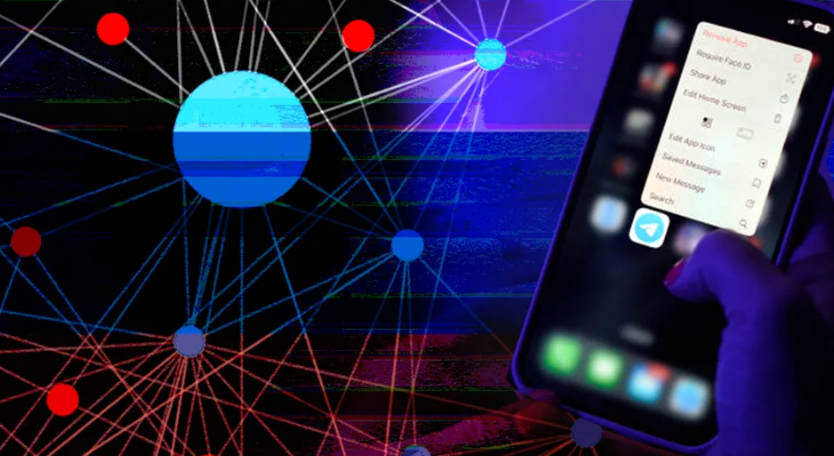
A growing web of pro-Russian disinformation is infiltrating Polish social media through dozens of Telegram channels, with content ranging from fake videos to manipulated news targeting Ukraine, NATO, and the West, according to an investigation by the BBC and data from Transparency International.
At the centre of the campaign is a network of 22 Polish-language Telegram channels, collectively reaching more than 150,000 subscribers. Many present themselves as independent or impartial news sources but consistently amplify narratives aligned with the Kremlin. Some even republish content from Russian state outlets such as RT and Sputnik, both of which are banned in the EU.
One widely circulated video features men in military-style camouflage, allegedly posing as Ukrainian soldiers, setting fire to images of US President Donald Trump, Vice-President JD Vance, and billionaire Elon Musk, alongside an American flag. Although the men speak Ukrainian, their words are mispronounced and delivered with a heavy Russian accent—indicating the video is staged.
The footage was shared by Polska Grupa Informacyjna, one of the most prominent Telegram channels identified. Despite denying any political bias, the channel and others in the network regularly promote pro-Russian content and disinformation—either directly or through selective reporting.
Telegram is not a major platform in Poland, but experts warn it serves as a launchpad for disinformation campaigns. “False or manipulative claims are posted there first—then they spread to bigger platforms like X (formerly Twitter) and Facebook,” said Aleksy Szymkiewicz of Polish fact-checking group Demagog.
The aim, analysts say, is to sow distrust in Ukraine, discourage military aid, and fuel anti-refugee sentiment. Since the war began in 2022, Poland has been one of Ukraine’s strongest allies and a critical logistics hub for Western military support. It has also accepted over a million Ukrainian refugees.
However, fatigue is growing, and researchers say pro-Kremlin narratives are contributing to public unease. Many posts blame Ukrainian refugees for rising crime or economic hardship, and falsely claim that military support for Kyiv is pushing Poles into poverty.
Behind the scenes, several of the Telegram channels have direct or indirect links to Russia or Belarus. Some, like UKR LEAKS_pl and InfoDefensePOLAND, are tied to high-profile Kremlin propagandists and convicted collaborators. Others operate as part of larger disinformation ecosystems, such as the Pravda group, which has been linked to Russian firms operating in occupied Crimea.
Experts warn that the blending of factual reporting with misleading or fabricated claims makes the content harder to detect—and more dangerous. “It legitimises and entrenches Russian regime narratives in Polish public discourse,” said Szymkiewicz.
The BBC is launching a new Polish-language news service, BBC News Polska, to counter the spread of misinformation. It will deliver verified news, translated using AI-assisted tools with human editorial oversight. It is the broadcaster’s first new language service since 2018.
