


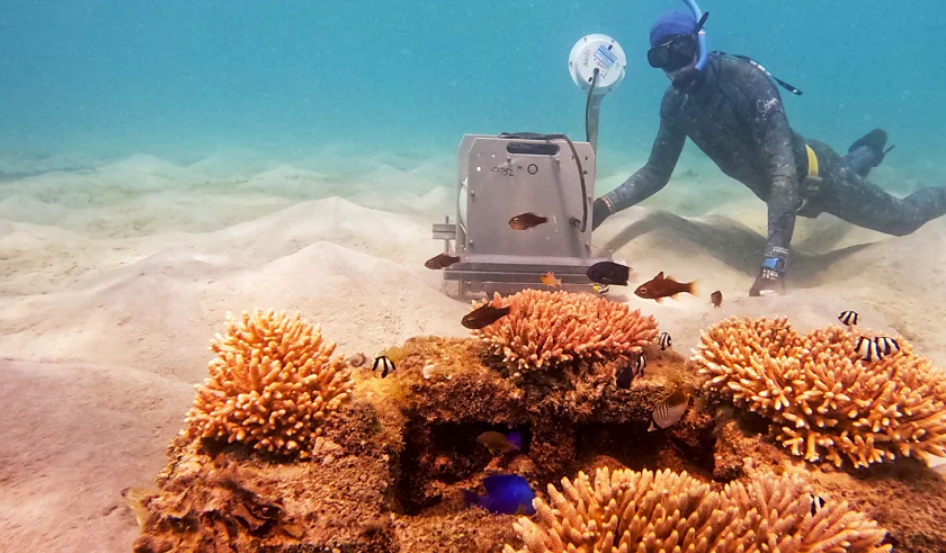
When global shipping slowed dramatically during the 2020 lockdowns, scientists were presented with a rare opportunity: the chance to hear the ocean with far less human interference. As maritime traffic dwindled, the usual industrial rumble faded and the natural chorus of marine life became strikingly clear. Researchers recorded crackles, snaps and clicks echoing through waters that had not been this quiet in decades.
Marine biologists describe this acoustic world as a vast orchestra. Steve Simpson of the University of Bristol says every species contributes its own sound, creating a complex mix of signals used for communication, breeding and hunting. For years, the belief that the ocean was a largely silent place persisted, shaped by the limits of human hearing. That changed in the early 20th Century with the invention of hydrophones, which revealed an ocean alive with noise.
As human activity increased over time, concerns grew that industrial noise was disrupting essential behaviours in marine animals. Scientists have been working to understand these impacts, but creating controlled quiet zones across large ocean regions was unrealistic. The pandemic unexpectedly provided the conditions needed for a global-scale natural test.
With tourism and shipping stalled, global maritime trade fell by just over 4%. In some regions, activity plunged by up to 70%. Models suggest that this drop led to a 6% reduction in underwater noise energy worldwide. Hydrophones stationed at roughly 200 locations allowed scientists to compare acoustic conditions before, during and after the slowdown.
The shift was dramatic in some areas. When New Zealand entered lockdown in March 2020, boat traffic in the Hauraki Gulf almost completely halted. Underwater noise reduced to around one-third of normal levels within half a day. Researchers observed that fish and dolphins could communicate up to 65% farther than usual. Dolphin calls, for instance, travelled roughly 1.5km farther without the obstruction of engine noise.
Sound plays a vital role for thousands of marine species. Many fish use pops and clicks to interact or defend territory. Whales rely on deep-water channels that allow their calls to travel across vast distances. Even tiny snapping shrimp create powerful bursts exceeding 210 decibels when hunting or warding off threats.
But the ocean is becoming louder each year. Rising ship traffic, coastal construction and climate-driven storms add to an increasingly disruptive mix. Habitat loss from declining reefs, melting ice and overfishing has changed the distribution of species that once dominated natural underwater acoustics.
Scientific studies continue to show that excessive noise alters feeding, resting and reproductive patterns in whales, dolphins and fish. In some regions, humpback whales changed their diving behaviour when vessels passed nearby. Researchers have also linked military sonar to mass strandings of beaked whales, many of which displayed injuries consistent with severe acoustic trauma.
The pandemic offered a glimpse of what a quieter ocean could mean for marine life. Scientists say the lessons from this period will guide future efforts to better measure, manage and reduce underwater noise as global activity rebounds.
