


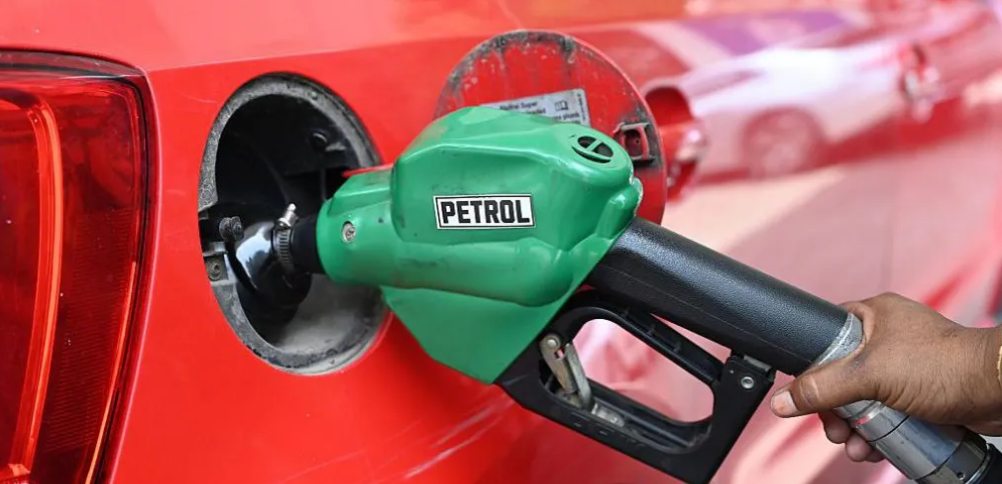
Global oil prices fell sharply while Asian stock markets rallied on Monday, driven by growing optimism that the United States and Iran may be nearing a deal to end the ongoing conflict involving Israel and Iran, and potentially reopen the vital Strait of Hormuz shipping route.
Brent crude dropped 5.5% to $97.90 a barrel, while US West Texas Intermediate fell 5.9% to $90.93, marking one of the steepest single-day declines in recent weeks. The move followed comments from US Secretary of State Marco Rubio, who said during a visit to India that negotiators had a “pretty solid thing on the table” and that a resolution could be reached as early as Monday.
Rubio, speaking in Delhi, said discussions were still ongoing and cautioned against expecting an immediate breakthrough. “We’re still a work in progress,” he said, adding that while progress had been made, no final agreement had yet been reached.
The optimism comes after US President Donald Trump said negotiators had been instructed not to rush into any deal, even as he suggested earlier that an agreement was close. Trump also said he had held a “very good call” with leaders from Saudi Arabia, the United Arab Emirates, Qatar and Israel, and confirmed ongoing discussions with Iranian officials.
At the centre of negotiations is the Strait of Hormuz, a strategic waterway through which around one-fifth of global oil and liquefied natural gas supplies normally pass. The route has been effectively closed since the outbreak of conflict on 28 February, causing major disruptions to global energy markets.
Iranian officials said positions between Washington and Tehran had moved closer in recent days, although they warned that major disagreements remain unresolved. Foreign ministry spokesman Esmaeil Baqaei said contradictory messaging from the US side had complicated talks.
Despite the market reaction, analysts warned that stability remains uncertain. Energy strategist Saul Kavonic said any short-term relief in oil prices could be limited, noting that supply chains and infrastructure would take considerable time to normalise even in the event of a peace deal.
Shipping experts also cautioned that maritime traffic in the region would not immediately return to normal. Industry analysts highlighted risks such as potential naval mines and lingering security concerns, suggesting that shipping firms may remain reluctant to fully resume routes through the Persian Gulf even after an agreement.
Asian equity markets responded positively to the diplomatic signals. Japan’s Nikkei 225 index surged more than 3%, crossing 65,000 points for the first time, reflecting investor optimism that energy flows could stabilise if the strait reopens.
Japan and South Korea, both heavily dependent on Gulf energy imports, were among the most exposed economies during the conflict. Their markets led gains as hopes of a breakthrough lifted sentiment.
While momentum appears to be building, officials and analysts alike stressed that significant risks remain, and that any agreement would require careful implementation before global energy markets can fully stabilise.
