


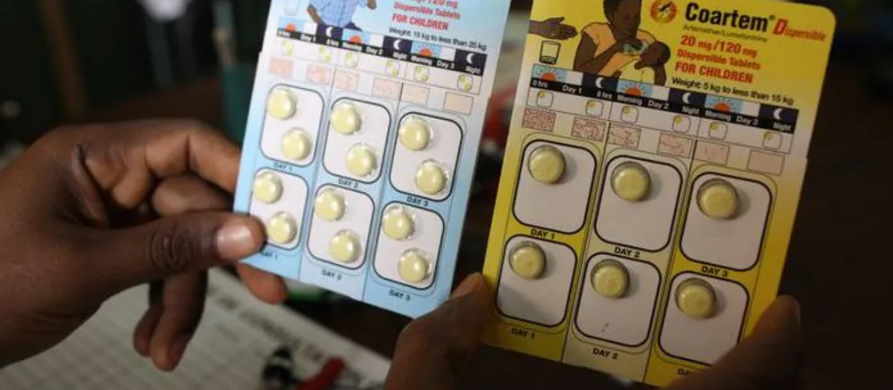
A landmark malaria treatment specifically designed for newborns and very young children has been approved for use, marking a major advancement in the global fight against the disease. The new drug, developed by pharmaceutical company Novartis and known as Coartem Baby (also called Riamet Baby in some countries), is expected to begin rolling out across several African nations within weeks.
This is the first malaria treatment tailored for infants weighing under 4.5kg (approximately 10 pounds), a demographic that has previously been treated with formulations intended for older children—posing significant risks of overdose and liver complications due to the developing physiology of babies.
Malaria remains one of the world’s deadliest diseases, particularly for young children in sub-Saharan Africa. According to the most recent data from 2023, malaria was linked to an estimated 597,000 deaths, with roughly three-quarters of those deaths occurring in children under the age of five.
Until now, the lack of a properly dosed treatment for babies created what health experts described as a “treatment gap” in care. Coartem Baby, the first clinically proven therapy for this vulnerable age group, aims to close that gap.
“For more than three decades, we have stayed the course in the fight against malaria,” said Vas Narasimhan, CEO of Novartis. “Together with our partners, we are proud to have gone further to develop the first clinically proven malaria treatment for newborns and young babies, ensuring even the smallest and most vulnerable can finally receive the care they deserve.”
The medicine was approved by Swiss regulatory authorities and developed in collaboration with the Medicines for Malaria Venture (MMV), a Swiss-based non-profit organisation supported by governments, global institutions and foundations including the World Bank and the Rockefeller Foundation.
Eight African nations were involved in the clinical trials and assessment of the drug and are expected to be among the first to receive the medication. Novartis has committed to distributing the treatment on a largely not-for-profit basis to maximise accessibility.
Martin Fitchet, CEO of MMV, called the approval “another important step on the road towards ending the huge toll taken by malaria,” and praised the drug’s role in addressing an underserved patient group.
Dr Marvelle Brown, associate professor at the University of Hertfordshire, described the development as a “major breakthrough,” particularly in addressing health inequalities and reducing preventable child deaths.
“With over 76% of malaria-related deaths occurring in children under five, particularly in those born with conditions like sickle cell disease, this new treatment could significantly reduce mortality,” she said.
Public health experts hope the rollout of Coartem Baby will significantly strengthen global malaria control efforts and save countless lives in the years ahead.
