


The United States Department of Defense has expanded its list of Chinese companies it considers linked to Beijing’s military apparatus, raising the total to 188 entities from 134 last year. The updated list, released on Monday, includes several major firms operating in sectors far beyond traditional defence manufacturing, signalling Washington’s increasing concern over the blending of civilian industry and military development in China.
The list was created in 2021 under a congressional mandate. It is designed to identify companies that the Pentagon believes support China’s defence industrial base, not only through direct military ownership but also through indirect contributions such as research, technology development and supply chain integration. Officials have previously stated that Chinese military institutions often draw on innovations developed within civilian universities and private companies that appear unrelated to defence activity.
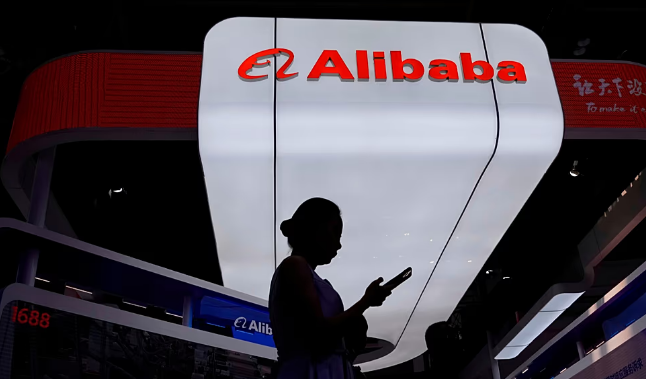
Among the most prominent additions are Alibaba, BYD and Baidu. All three firms are affiliated, according to the Pentagon, with China’s Ministry of Industry and Information Technology, which oversees national technology and industrial strategy. The designation does not prohibit these companies from operating in the United States, but it restricts their ability to secure US defence contracts and may expose them to further regulatory and political pressure.
The inclusion of these firms has drawn strong reactions. Alibaba stated that it is not part of any military-linked programme and rejected the classification. Baidu also dismissed the designation, calling it unfounded and inconsistent with its commercial focus on artificial intelligence and autonomous driving technologies. BYD has not issued a detailed public response to the latest listing.
The updated roster also includes Unitree Robotics, known internationally for its humanoid robots that have appeared in entertainment demonstrations and television programmes. The Pentagon said Unitree received state-linked support as part of China’s strategy to strengthen innovative small and medium-sized enterprises that contribute to key supply chains.
Several companies previously known to be on the list, including drone manufacturer DJI, remain included, reflecting continued US scrutiny of China’s advanced technology sector.
Political reaction in Washington has been swift. The House Select Committee on the Chinese Communist Party described the expanded list as a warning to US businesses and government agencies, arguing that engagement with listed firms could indirectly support China’s military advancement. The committee also suggested that companies listed on US stock exchanges should face delisting considerations.
Beijing responded by criticising the move. The Chinese Embassy in Washington accused the United States of overstretching national security concerns and using discriminatory measures against Chinese firms. It stated that Chinese companies operate in compliance with international laws and urged the US to create a fair environment for business activity.
The expansion of the list highlights ongoing tensions between the two countries over technology, security and global industrial competition, particularly as artificial intelligence, electric vehicles and robotics become increasingly central to economic and military strategy.
