


Kazakhstan is introducing tax incentives and regulatory changes aimed at bringing cryptocurrency investors and digital asset businesses back to licensed domestic platforms after a mining boom placed heavy pressure on the country’s electricity system.
Under a new government decree, private investors will receive an exemption from personal income tax on profits from digital asset transactions for three years. The benefit applies to assets that are not connected to fraud, money laundering or unlicensed cryptocurrency services.
The government hopes the measures will encourage citizens to declare their crypto holdings, move assets to regulated platforms and increase the contribution of digital currencies to the formal economy.
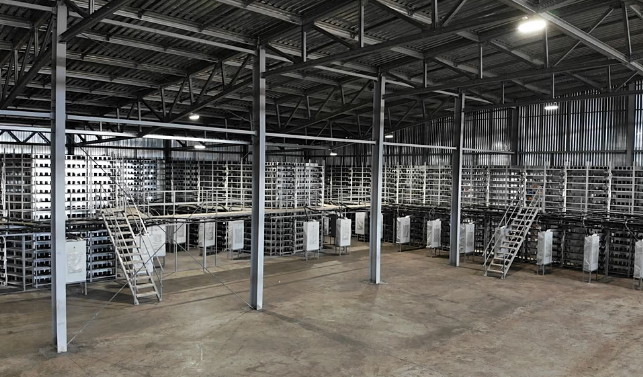
Kazakhstan became a major cryptocurrency mining centre after China banned Bitcoin mining in 2021. Miners moved to countries offering relatively inexpensive electricity, making Kazakhstan the world’s second-largest Bitcoin mining location after the United States at the time.
The rapid expansion placed significant pressure on the country’s ageing power infrastructure. At its peak, cryptocurrency mining was estimated to account for about 8% of Kazakhstan’s electricity consumption. Power shortages and outages prompted authorities to tighten restrictions, encouraging many operators to move abroad or continue their activities illegally.
Kazakhstan did not completely prohibit crypto mining, however, leaving the sector open to a possible revival under tighter rules.
The country’s Astana International Financial Centre estimates that Kazakh citizens hold about one million crypto wallets, nearly four times the number of users registered with authorised domestic exchanges. The number of registered users reached about 256,900 in March.
The latest policy also addresses the energy problems associated with mining. Under the plan, associated gas from oil fields that is not required for state use can be used to generate electricity for mining operations, potentially reducing pressure on the national grid.
Nurkhat Kushimov, general manager of Binance Kazakhstan, described the tax incentive as a major reason for investors to choose regulated platforms. He said a licensed environment could improve confidence and encourage further market development.
Industry representatives caution that tax breaks alone will not guarantee success. Investors also want reliable banking services, sufficient trading liquidity, easy conversion between cryptocurrency and local currency, and clear rules governing digital assets.
Kazakhstan’s Association of Fintech, AI and Crypto Industry chairman Bakhytzhan Kenzhebayev said predictable regulation could be more valuable than the tax benefit itself. He warned that unclear definitions could create compliance problems for businesses operating under both national regulations and the AIFC framework.
Officials are already considering what will happen after the three-year exemption expires. Vice Minister of AI and Digital Development Gizzat Baitursynov said the government is working on a simplified tax regime for the following period and considering changes to tax audit rules.
The reforms represent an effort by Kazakhstan to rebuild its digital asset industry while avoiding the energy problems that accompanied its earlier mining boom.
