


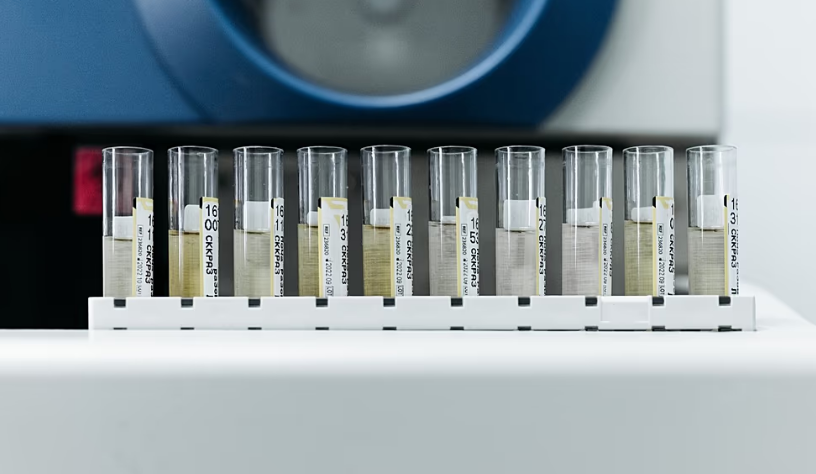
Health authorities in Germany have discovered traces of the poliovirus in sewage from Hamburg, highlighting a persistent health threat decades after Europe was declared polio-free. The finding has prompted renewed calls for enhanced disease monitoring and vaccination coverage.
Germany has not reported any confirmed cases of poliomyelitis, a highly contagious disease that primarily affects young children and can invade the nervous system, sometimes causing paralysis. The poliovirus detected in Hamburg’s wastewater is genetically similar to a strain last identified in Afghanistan, one of only two countries where polio remains endemic.
The European Centre for Disease Prevention and Control (ECDC) described the detection as “unusual, but not unexpected.” Germany’s last known locally transmitted polio case occurred in 1990, and the continent was officially declared polio-free in 2002. However, health officials caution that imported cases remain possible, particularly among populations with low vaccination coverage.
The World Health Organization (WHO) emphasized that the discovery underscores the ongoing risk: “Until polio is eradicated everywhere, all countries remain at risk of importation of the virus and potential re-infection.” Poliovirus can appear in sewage when individuals shed the virus in their stool. This does not necessarily indicate illness, as it can also result from people receiving the oral polio vaccine, which contains a weakened live virus.
Last year, similar detections in Germany, Poland, and Spain prompted health authorities to urge countries to strengthen surveillance systems and vaccination campaigns to protect populations from potential outbreaks. Across the European Union, vaccination coverage among one-year-olds ranged from 79 percent in Romania to 99 percent in Hungary and Luxembourg, according to WHO data. Experts note that gaps may persist at the local level, leaving some communities vulnerable to transmission.
Despite the presence of the virus in sewage, the ECDC stressed that the overall risk to the European population remains “very low.” Health authorities are using the findings to monitor trends and reinforce vaccination messaging, particularly in areas where immunization rates fall below recommended levels.
Germany’s recent detection serves as a reminder that polio, although rare in Europe, has not been fully eliminated globally. Public health officials continue to advocate for robust immunization programs, vigilant disease surveillance, and rapid response plans to prevent the virus from spreading should a case arise.
The Hamburg wastewater discovery has renewed focus on the importance of vaccination and monitoring, reinforcing global efforts to ensure that polio remains under control until it is eradicated worldwide.
