


European health authorities are maintaining a cautious approach to the latest Ebola outbreak in Central Africa, even as the United States introduces stricter travel screening and entry measures in response to rising cases in the Democratic Republic of Congo (DRC) and Uganda.
The outbreak, which has already caused at least 131 deaths and around 500 reported cases, prompted the World Health Organization’s Director-General Tedros Adhanom Ghebreyesus to warn this week that he was “deeply concerned about the scale and speed of the epidemic.”
While Washington has announced airport screening for travellers arriving from affected regions and imposed restrictions on some visitors, European authorities are resisting calls for similar large-scale border measures.
Belgium, which maintains direct air links with Kinshasa through daily Brussels Airlines flights, is among the European countries watching the situation closely. Brussels Airport remains one of Europe’s main gateways to and from the DRC.
Steven Van Gucht, one of Belgium’s leading virologists, said the outbreak was serious and required decisive action in the DRC itself, but stressed that the overall risk to Europe remained low.
Brussels Airlines said flights to Kinshasa continue to operate normally and no additional restrictions have been introduced. The airline said crews are trained to handle infectious disease situations, including monitoring symptoms, applying hygiene measures and coordinating with health authorities when necessary.
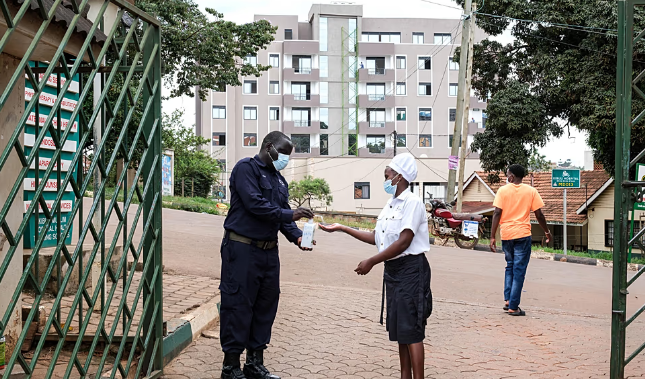
Health experts argue that airport temperature screening, one of the key measures adopted by the US, has limited effectiveness against Ebola because infected people are only contagious once symptoms appear. The incubation period can last between two and 21 days, meaning infected travellers may pass through screenings without showing a fever.
Celine Gossner, an expert with the European Centre for Disease Prevention and Control (ECDC), said Europe is not currently recommending entry screening at airports because such operations require significant resources while offering limited results.
Instead, experts believe that exit screening in affected countries is more effective. Van Gucht said entry screening could still help reassure the public and provide an early warning system, even if it cannot identify all infected travellers.
The Africa Centres for Disease Control and Prevention also criticised broad travel bans and border closures, saying such measures are not an effective primary tool during outbreaks.
European authorities have also rejected suspending flights from affected countries. Van Gucht warned that flight bans could disrupt humanitarian aid and discourage transparent reporting of outbreaks.
Belgium has formally advised against travel to the Ituri and North Kivu provinces of the DRC, where confirmed Ebola cases have been reported.
Brussels Airport said emergency procedures are already in place should an infected traveller arrive, including transfer by specialist ambulance to a military hospital.
The ECDC has deployed experts to the DRC to assist with operational planning and coordination as Europe continues to focus on monitoring and preparedness rather than sweeping travel restrictions.
