


Travellers heading from the UK to Europe will soon encounter new border procedures as the European Union begins rolling out its long-delayed Entry/Exit System (EES) this autumn.
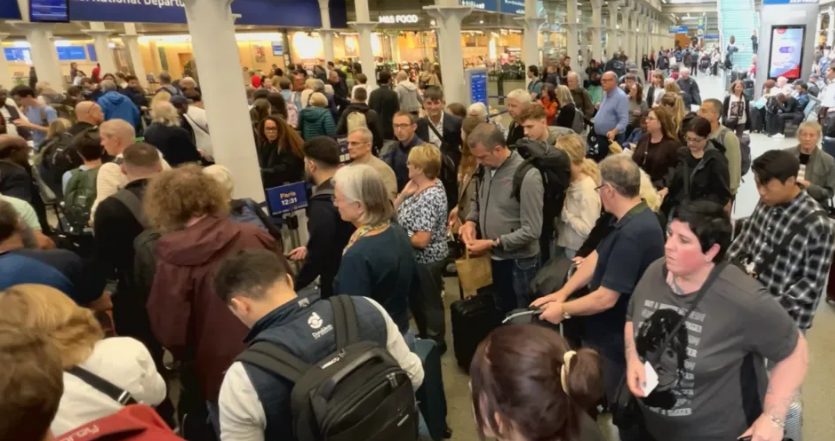
The system, designed to tighten security and modernise border checks, will replace the current method of manually stamping passports at crossings into the Schengen Area. However, concerns remain that the registration process could cause lengthy delays, particularly at busy entry points such as Dover and Eurostar terminals.
What is the EES?
The EES will apply to non-EU citizens entering or leaving the Schengen Zone, which covers 29 European countries including popular UK destinations such as France, Spain, Italy, Greece, and Portugal. The system will record biometric data—fingerprints and facial images—alongside passport details the first time a traveller enters. Once registered, the information will be valid for three years.
Children under 12 will be exempt from fingerprinting, though all passports will still be scanned and verified at each crossing.
When does it start?
The European Commission confirmed in July that the EES will begin on 12 October, with a phased introduction over six months.
At Dover, coach passengers will be the first to use the system on 12 October, followed by all other tourist traffic from 1 November. Eurostar and Eurotunnel will also adopt the new procedures in stages, with kiosks installed at terminals including London St Pancras and the Channel Tunnel. More than 100 kiosks have been set up on each side of the Eurotunnel route, while Eurostar has introduced 49 machines at St Pancras.
Passengers will need to scan their passports, provide biometric data, and answer four questions about their travel plans, such as where they will stay and proof of sufficient funds.
Concerns over delays
Port operators and travel companies have expressed fears that the system could initially create bottlenecks. Space constraints at Dover are a particular worry, with officials considering a mix of kiosks and tablet devices to process travellers before boarding.
To ease the transition, authorities will be allowed to temporarily suspend EES checks and revert to manual passport stamping if queues grow too long. Eurostar has limited the system’s initial rollout to a small group of business passengers in a bid to prevent disruption.
A mobile phone app is also being developed to allow passengers to complete part of the registration process before travelling, though it is not expected to be widely available at launch.
What comes next?
The EES will pave the way for the European Travel Information and Authorisation System (ETIAS), a visa-waiver scheme set to begin in late 2026. Under ETIAS, UK citizens and other non-EU nationals who do not need a visa will have to apply online for authorisation before travel, at a cost of €20. The approval, valid for three years, will be required for entry into Schengen countries.
For now, UK travellers should prepare for changes at the border this autumn, with the new system marking one of the most significant shifts in European travel rules in decades.
