


Global markets reacted sharply after the US captured Venezuelan President Nicolás Maduro, with investors moving into safe-haven assets and defence shares rising amid concerns over geopolitical risks.
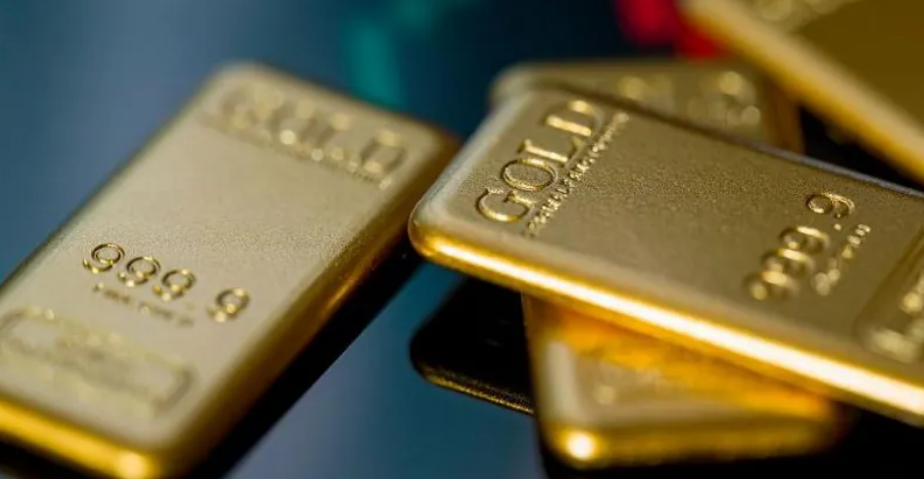
Gold surged 2.4% to $4,433 (£3,293) an ounce, while silver climbed nearly 5%, reflecting heightened demand for assets perceived as secure during periods of uncertainty. Mining companies also benefited, with shares of Endeavour Mining and Fresnillo both rising more than 4%.
Defence stocks across Europe posted strong gains. In London, BAE Systems rose 4.6%, while Germany’s Rheinmetall jumped 7.5%. Analysts said the increases reflect expectations that governments could boost military spending in response to international tensions. “Heightened geopolitical tensions like the ones we’ve seen over the weekend would normally spook investors, but global markets have avoided a sell-off,” said Russ Mould, investment director at AJ Bell. “Defence stocks often move higher when there are signs of potential conflict.”
Energy markets showed a more nuanced response. Brent crude rose slightly to $61.06 a barrel, as analysts noted that global supply levels remain sufficient to offset potential disruption from US intervention in Venezuela. Shares in US oil companies, however, rose in premarket trading, with Chevron, the only American firm currently operating in Venezuela, up more than 7% on expectations of increased access to the country’s oil reserves.
US President Donald Trump has vowed to exploit Venezuela’s crude resources, promising that the United States would “run the country until such time as we can do a safe, proper and judicious transition.” Industry experts, however, cautioned that significant challenges remain. Venezuela’s oil infrastructure has deteriorated over decades of underinvestment and mismanagement, and production currently accounts for just 1% of global output. Reviving the sector would require billions of dollars and years of sustained effort. Former BP chief Lord Browne described the task as a “tremendous amount of skill, investment and time,” warning that output might temporarily fall as the industry reorganises.
Despite the uncertainty surrounding Venezuela, Asian markets opened the year with gains. Japan’s Nikkei 225 rose 3% after data showed manufacturing activity stabilising in December. South Korea and China also saw higher indices, suggesting investors remain confident that any fallout from the Venezuelan events will be geographically contained.
Last year, gold recorded its strongest annual performance since 1979, rising more than 60% and peaking at $4,549 an ounce in late December, driven by central bank purchases, interest rate expectations, and concerns over global tensions. Analysts say the current rally continues to be supported by geopolitical uncertainty, with Venezuela’s oil and political turmoil adding to market caution.
The market movements underline the growing influence of geopolitical events on investor behaviour, with traditional safe-haven assets and defence sectors often benefiting when international tensions escalate.
