


Global equity markets have been sharply affected as the conflict in Iran entered its third week, exposing a widening gap between industries benefiting from rising energy prices and those struggling under mounting costs.
Major European indices have recorded notable losses since the start of hostilities. The Euro STOXX 50 has fallen about 6.5 percent, while DAX is down 7 percent and CAC 40 has dropped 7.2 percent. Italy’s FTSE MIB has declined 6.4 percent. In comparison, the S&P 500 has slipped a more modest 2.5 percent, reflecting the relative insulation of the United States as a major oil producer.
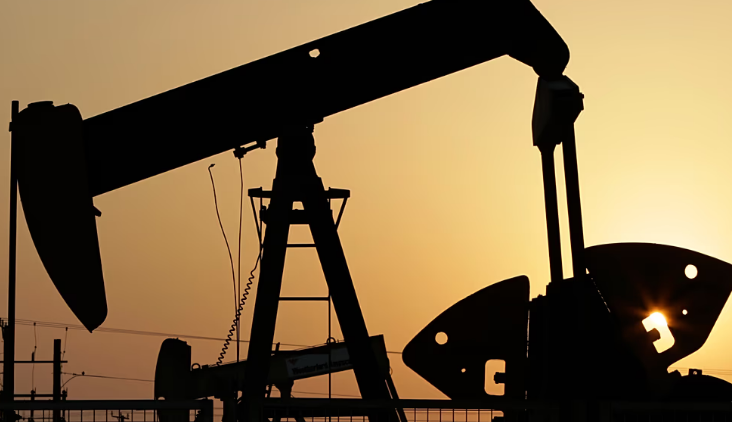
At the centre of the disruption is the Strait of Hormuz, where shipping has been severely curtailed. The route handles roughly 20 percent of global oil flows, and its disruption has driven a sharp increase in energy prices. Brent crude surged from about $70 per barrel before the conflict to nearly $120, and remains elevated at around $105.
Efforts to stabilise the market have so far had limited impact. The International Energy Agency coordinated a release of 400 million barrels of oil from emergency reserves, the largest such action in its history. Despite this, prices have continued to climb, signalling ongoing concerns over supply shortages.
Natural gas markets have seen even greater volatility. Europe’s benchmark prices have jumped about 60 percent, raising fears of tighter supplies in the months ahead. Analysts warn that reduced liquefied natural gas availability, partly linked to disruptions in regional production, could further strain the market.
The surge in energy costs has created clear winners and losers across Europe. Oil and gas producers have seen strong gains as higher prices boost revenues. Companies such as Equinor, Eni and Galp Energia have all recorded significant increases in their share prices. Renewable energy firms have also benefited, with Neste Oyj and Verbio SE posting strong gains as demand for alternatives rises.
Fertiliser producers have also advanced, reflecting concerns about disruptions to global supply chains. A large share of fertiliser trade passes through the Strait of Hormuz, making the sector particularly sensitive to the ongoing crisis.
On the other hand, energy-intensive industries have come under heavy pressure. Airlines have been among the hardest hit, with rising fuel costs cutting into margins. Carriers such as Wizz Air, Air France-KLM and easyJet have seen steep declines in their share prices.
Steelmakers and construction firms have also suffered losses as higher energy costs and uncertainty weigh on production and investment. Companies including thyssenkrupp and ArcelorMittal have been significantly affected.
The developments highlight Europe’s continued vulnerability to energy shocks despite efforts to reduce dependence on external supplies. With gas storage levels offering limited protection and the conflict showing no clear resolution, markets remain highly sensitive to further disruptions.
