


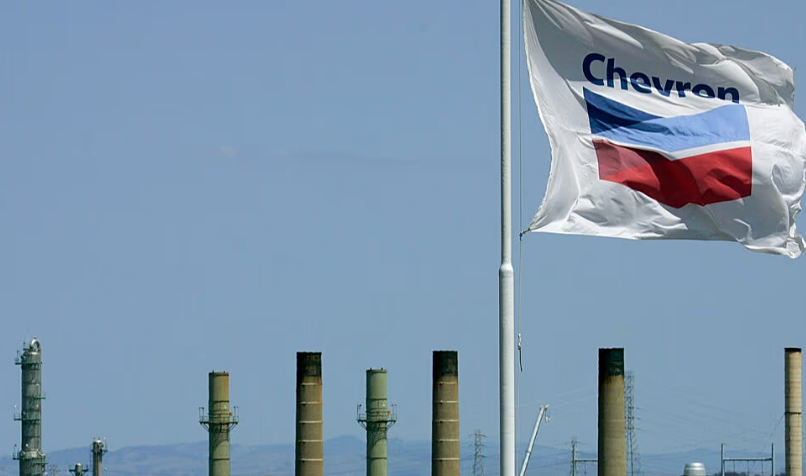
Chevron continues to operate in Venezuela even as US sanctions on the country’s oil sector have tightened, highlighting the complexities of American enforcement and decades of oil politics.
Since 2019, the United States has imposed broad restrictions on Venezuela’s state oil company, PDVSA, aiming to cut off revenue that sustains President Nicolás Maduro’s government. Measures have blocked most exports, frozen financial access, and targeted tankers and intermediaries involved in transporting Venezuelan crude. Recent US actions included the seizure of two vessels suspected of carrying Venezuelan oil and the pursuit of a third ship attempting to evade boarding.
Despite this near-total blockade, Chevron operates under a special licence issued by the US Treasury’s Office of Foreign Assets Control (OFAC). The licence allows Chevron to produce and export oil in existing joint ventures with PDVSA, but prohibits starting new projects or significantly expanding production. Cash from operations is primarily used to cover Chevron’s operating costs, including staff, transport, and maintenance. PDVSA has historically failed to pay its share, meaning Chevron is often compensated in oil rather than cash, ensuring that revenue does not directly flow to the Venezuelan state.
Chevron’s presence in Venezuela dates back decades. Early 20th-century oil discoveries transformed the country into a global exporter, attracting US and European firms. Chevron and its predecessors operated under various political and economic arrangements, including PDVSA’s 1976 nationalisation, which initially preserved technical expertise and international ties.
During Hugo Chávez’s presidency, Chevron agreed to convert projects into majority state-owned ventures with PDVSA, while other US oil majors, including ExxonMobil and ConocoPhillips, refused and had their assets nationalised. Chevron’s compliance allowed it to remain in the country, even as US-Venezuela relations soured.
US officials argue that Chevron’s continued operations strengthen sanctions enforcement. The company provides transparency, ensuring oil shipments are traceable, insured, and sold through formal channels rather than through the “shadow fleet” of illicit traders. The licence also allows Washington to adjust or revoke operations depending on Venezuela’s political behaviour, offering leverage in negotiations with Maduro’s government.
Critics, including Venezuelan opposition figures and human rights groups, contend that any oil production indirectly benefits the Maduro administration and weakens the impact of sanctions. Some analysts note that Chevron’s unique position could make it central to any future political or economic settlement, whether through regime change or negotiated agreements.
Chevron’s ongoing role reflects both the historical entanglement of US firms in Venezuela’s oil industry and the delicate balance Washington maintains between pressuring Maduro and preserving monitored channels for oil exports.
