


Singapore has retained the world’s most powerful passport for a second consecutive year, according to the 2026 Henley Passport Index, despite strong performances from European countries.
Singaporean passport holders can travel to 192 destinations without obtaining a visa in advance. Japan, South Korea and the United Arab Emirates shared second place, with visa-free access to 188 destinations.
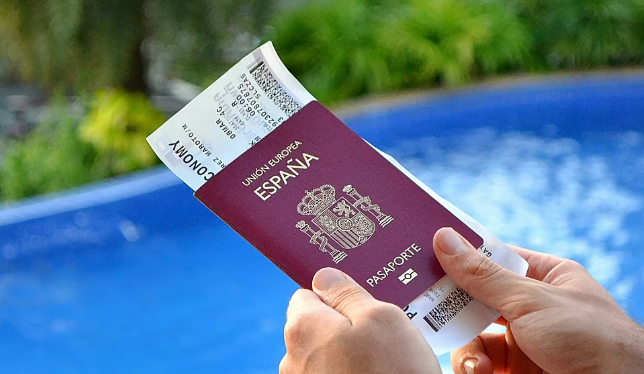
Sweden ranked third with access to 187 countries, while a group of 11 European nations shared fourth place after securing access to 186 destinations. The group includes Belgium, Denmark, Finland, France, Germany, Ireland, Italy, Luxembourg, the Netherlands, Norway and Spain.
The annual index, now in its 20th year, uses data from the International Air Transport Association to measure the number of destinations passport holders can enter without applying for a visa before travelling.
Europe continued to dominate the upper end of the rankings, with 29 European countries appearing among the top 10 positions.
However, the rankings also highlighted significant differences in global travel access. Belarus ranked 62nd, with visa-free access to 78 destinations, while Kosovo ranked 60th alongside China, with access to 83 countries.
Kosovo has made notable progress over the past decade, climbing 35 places since 2016.
The United Arab Emirates recorded the biggest improvement over the past 20 years. The country has climbed 60 places since the index began and gained visa-free access to 153 additional destinations during that period.
The UAE’s rise has been particularly sharp in the latest rankings. It moved from 10th place last year to joint second in 2026, overtaking the United Kingdom, which fell to sixth place.
The United States remained in 10th place, with its passport providing visa-free access to 180 destinations. That position matches last year’s ranking, when the US reached its lowest position in the history of the index.
Dr Christian H. Kaelin, chairman of Henley & Partners, said passport access had become increasingly important in determining opportunities, security and economic participation.
He warned that although average global mobility has increased, the benefits remain concentrated among economically powerful and politically stable countries.
The 2026 rankings show Singapore at the top, followed by Japan, South Korea and the UAE. Sweden occupies the next position, while Austria, Greece, Malta, Portugal and Switzerland share fifth place with access to 185 destinations.
The results underline the widening gap between the world’s most mobile passports and those whose holders continue to face extensive visa requirements when travelling abroad.
