


Researchers in Spain have developed a new method that could transform one form of plastic pollution into a material capable of helping remove other contaminants from water.
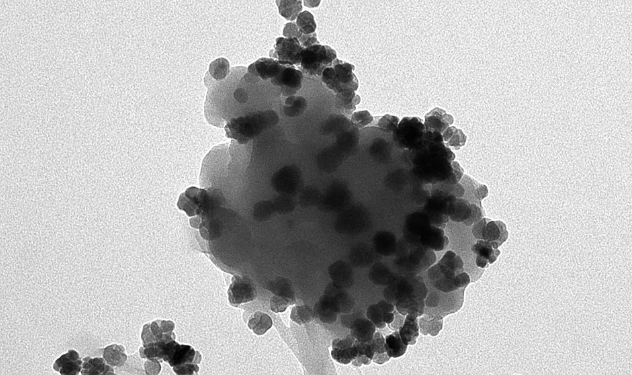
Scientists at the Institute of Materials Science of Madrid (ICMM-CSIC) have created flower-shaped magnetic iron oxide nanoparticles that can capture PET nanoplastics, particles far smaller than conventional microplastics. The findings were published in the Chemical Engineering Journal.
PET is widely used in bottles, food packaging and polyester clothing. Over time, discarded PET can break down under sunlight and physical wear, producing extremely small particles that can enter soil and water systems.
The newly developed nanoflowers are designed to collect these particles efficiently. Their structure contains several magnetic cores that work together, strengthening their magnetic properties and allowing them to gather pollutants from water.
Álvaro Gallo-Córdova, an ICMM-CSIC researcher and lead author of the study alongside Rafael Herrera-Aquino and María del Puerto Morales, said the shape of the particles is central to their performance.
The research builds on earlier work by the team. In 2024, scientists used similar magnetic particles to extract and degrade microplastics ranging from 0.001 to 5 millimetres that originated from cosmetics. The latest study focuses on nanoplastics, which are measured on a much smaller scale.
According to the researchers, one gram of the magnetic nanoflowers can capture as much as 10,000 milligrams of nanoplastics. They describe the result as an unprecedented level of capture capacity.
The technology could have another important use after the plastic has been collected. Instead of treating the captured nanoplastics as waste, researchers can transform them into functional magnetic materials. These materials can then help remove heavy metals and organic dyes from contaminated water and may also support catalytic processes that break down pollutants.
The approach could therefore create a circular treatment system in which plastic waste becomes a resource for tackling other forms of pollution.
The process also requires relatively little energy. Magnetic heating is concentrated around the nanoparticles rather than requiring the entire volume of water to be heated, potentially reducing energy consumption during treatment.
Tests also showed that the nanoflowers can be reused. After five treatment cycles, they retained 88% of their original decontamination capacity. Less than 0.82% of the iron contained in the particles was released into the water during the tests.
The researchers say the results demonstrate the material’s stability and potential for repeated use. The ICMM-CSIC team is now examining how the technology could be applied in advanced water treatment systems, where removing increasingly small pollutants has become a growing challenge.
