


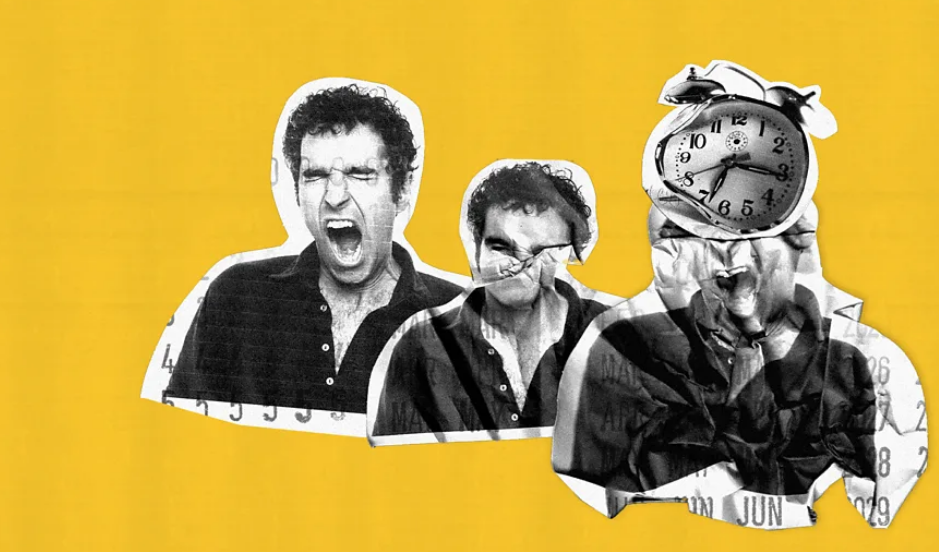
As Britons prepare to turn their clocks back this weekend, the promise of an extra hour in bed may not be the health boost many hope for. While daylight saving time (DST) — first introduced in 1916 to conserve energy — remains a twice-yearly ritual in the UK and some 70 other countries, research increasingly suggests that these clock changes may carry significant health consequences.
Studies have linked the transition to and from DST to higher rates of heart attacks, strokes, depression, and even road traffic accidents. The springtime move forward by one hour appears to have the most serious health effects, but experts warn that the autumn clock change may also have its downsides.
The body’s internal 24-hour clock, or circadian rhythm, regulates sleep and wake cycles largely through exposure to light. According to Professor David Ray, co-director of the Sir Jules Thorn Sleep and Circadian Neuroscience Institute at the University of Oxford, “When we change the clock, we are effectively asking people to live their lives misaligned with their internal body clock.”
Research from several countries, including the United States, Sweden, Germany, and Brazil, shows that hospital admissions for heart attacks rise by around 4% in the days following the spring clock change. Other studies have found similar spikes in strokes and fatal road accidents, with one U.S. study estimating a 6% increase in deadly crashes in the week after the clocks move forward.
Experts say the main culprit is sleep disruption. Losing an hour of rest throws off the body’s hormonal balance — delaying melatonin production at night and suppressing natural wakefulness hormones in the morning. The result, they say, is fatigue, poor concentration, and a temporary increase in health risks.
A 2024 UK study tracking over 11,000 people found that sleep duration dropped by an average of 65 minutes on the night of the spring change, with only partial recovery in the days that followed.
Turning the clocks back in autumn seems less harmful, though not without issues. While people technically gain an hour, most only sleep about 30 minutes longer on average, and research from Denmark found an 11% rise in depressive episodes in the 10 weeks following the autumn transition.
According to Professor Joan Costa-i-Font of the London School of Economics, while the extra rest may briefly improve mood and energy, the overall health toll from DST outweighs any short-term benefits. His 30-year study found that the biannual time changes reduce life satisfaction by about 1.4% and cost economies an estimated €750 per person annually in health and productivity losses.
The European Parliament voted in 2019 to scrap the clock changes altogether, but implementation has stalled amid disagreements over which time — summer or winter — should become permanent. Most scientists favour keeping winter time, which they say better aligns with natural circadian rhythms.
“Even one hour of misalignment carries a risk,” said Ray. “When you apply that to an entire population, the impact on public health is far from trivial.”
