


A routine case of strep throat, one of the most common childhood illnesses, can in rare cases trigger sudden and dramatic behavioral changes in children, scientists have revealed. The condition, known as paediatric autoimmune neuropsychiatric disorders associated with streptococcal infections (PANDAS), has been the subject of increasing medical scrutiny.
The illness typically begins with streptococcal pharyngitis, or strep throat, but in certain children it sets off an abnormal immune response that mistakenly attacks healthy brain tissue. Experts believe this misdirected response leads to inflammation in areas of the brain that govern movement, decision-making and emotional control, producing abrupt neuropsychiatric symptoms.
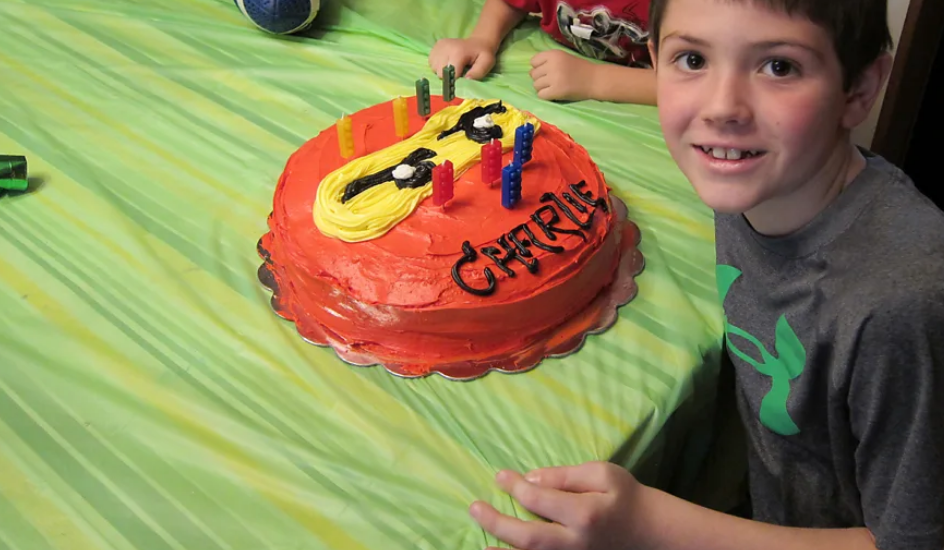
One such case was that of eight-year-old Charlie Drury in Illinois, US. On his birthday in November 2012, he was diagnosed with strep throat after showing a fever and minor tics. Within weeks, however, his condition deteriorated. He developed extreme sensitivity to smells, separation anxiety, violent mood swings, hallucinations and an inability to sleep or eat. Doctors later diagnosed him with PANDAS, a condition still not widely understood or consistently recognised.
Children with PANDAS often develop tics and obsessive-compulsive disorder-like symptoms overnight, sometimes accompanied by aggression, irritability, learning difficulties and motor skill regressions. While the exact prevalence is unclear, some estimates suggest roughly one in 11,800 children may develop PANDAS or a related condition, paediatric acute-onset neuropsychiatric syndrome (PANS), each year. Boys appear more commonly affected than girls, with symptoms typically emerging before puberty.
Medical experts say parents are often alarmed by the sudden transformation. “It feels like my kid is not there,” said one parent to Dr. Shannon Delaney, a child neuropsychiatrist in New York, who treats PANDAS patients.
Research first linked strep infections to neurological complications in the 1990s, although the idea is older. Current studies suggest that in susceptible children, antibodies produced to fight strep may mistakenly attack the brain, particularly the basal ganglia. This area is associated with motor control and emotional regulation and has also been linked to obsessive-compulsive disorder.
Some researchers remain cautious about the connection, but findings of brain inflammation in affected children reinforce the theory that PANDAS is an autoimmune condition rather than a purely psychiatric disorder. Similar symptom flare-ups have also been reported following influenza, Lyme disease and COVID-19 infections.
Treatment remains complex. Many families struggle to access appropriate care, with a majority reporting difficulties finding specialists or securing insurance coverage. Some children are prescribed psychiatric drugs, which can help in certain cases but often produce side effects or fail to address the underlying immune dysfunction. Experts recommend a multi-faceted approach that targets both the infection and the immune response.
For families, awareness and recognition of the condition are crucial. As researchers continue to study the link between infections and neuropsychiatric illness, doctors emphasise that even common illnesses like strep throat may, in rare cases, have lasting and devastating consequences.
