


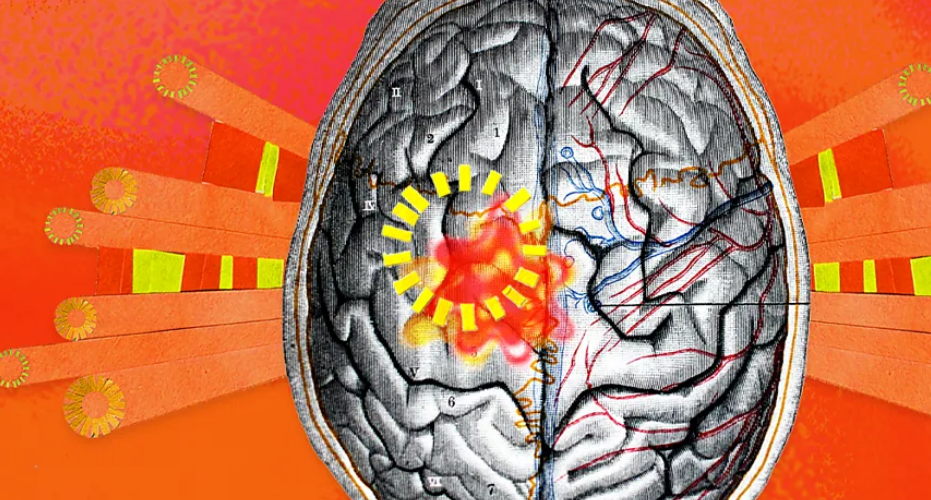
As climate change fuels more frequent and intense heatwaves across the globe, scientists are sounding the alarm on a lesser-known danger: the profound effects of extreme heat on the human brain.
Neurologists are increasingly concerned that soaring temperatures are worsening symptoms in patients with neurological conditions such as epilepsy, stroke, dementia, multiple sclerosis, and migraine. In many cases, heat is proving to be a dangerous trigger for seizures and other serious complications.
Among those affected is 13-year-old Jake from the UK, who has Dravet Syndrome—a rare form of epilepsy that makes him particularly vulnerable to heat. His first seizure occurred during a heatwave when he was just five months old. Since then, rising summer temperatures have triggered numerous life-threatening episodes.
“Heatwaves are adding to the burden of an already devastating condition,” says Jake’s mother, Stephanie Smith.
Dr. Sanjay Sisodiya, a neurologist at University College London, has been studying the links between climate change and brain health. He says many families with epilepsy patients have reported increased seizure activity during hot weather. “Of course, the brain is affected,” he explains. “So many of its processes are involved in how the body copes with heat.”
Sisodiya and other experts have identified a range of heat-sensitive neurological conditions. During the deadly 2003 European heatwave, about 7% of excess deaths involved neurological problems. Similar patterns emerged in the UK during the 2022 heatwave.
The heat does not only worsen physical symptoms—it also disrupts mood and mental health. Studies suggest high temperatures can reduce sleep quality, increase irritability, and worsen symptoms in patients with dementia, schizophrenia, and other psychiatric conditions.
Some medications, including antipsychotics and epilepsy drugs, interfere with the body’s ability to regulate temperature, making patients more prone to heatstroke. In dementia patients, cognitive impairments may prevent them from seeking shade, hydrating, or recognising heat danger altogether.
There is also growing concern for infants and pregnant women. Research shows that heatwaves are linked to a 26% increase in preterm births, raising the risk of long-term developmental delays in children. Additionally, extreme heat can compromise the brain’s protective blood-brain barrier, potentially allowing toxins and viruses to enter the brain tissue.
Rising global temperatures are also expanding mosquito habitats, increasing the spread of viruses such as Zika, dengue, and chikungunya—all of which carry neurological risks.
As the world continues to warm, Sisodiya warns the neurological effects of heat could extend beyond those with pre-existing conditions. “What we’re seeing today in people with neurological disorders could become relevant for everyone as climate change progresses,” he said.
Scientists are now calling for urgent research into how heat interacts with brain function and are urging policymakers to factor neurological risks into climate resilience strategies.
