


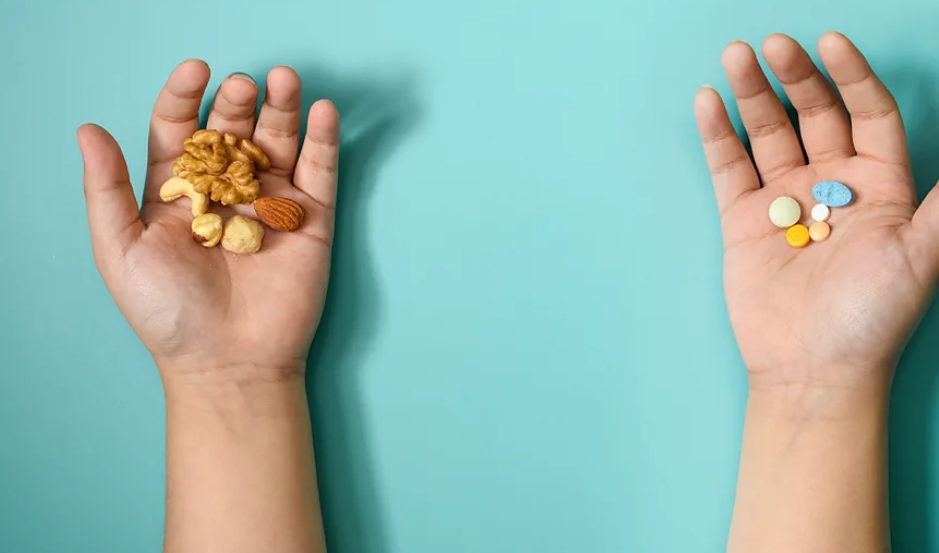
In recent years, drugs like Ozempic and Wegovy have transformed the fight against obesity, helping millions shed stubborn weight through appetite suppression. But as their popularity grows, a new question has emerged: could certain foods or diets replicate these drugs’ effects without the need for a prescription?
Social media has fuelled this curiosity, with viral trends such as “oatzempic” — a homemade blend of oats, lime juice, and water — claiming to mimic the appetite-suppressing power of GLP-1 agonists like Ozempic. While the trend has gained traction, health experts remain cautious, stressing that while diet can influence similar hormonal pathways, it cannot replicate the drug’s potency.
GLP-1, or glucagon-like peptide 1, is a hormone naturally produced in the gut after eating. It stimulates insulin, reduces sugar production in the liver, slows digestion, and signals fullness — processes that GLP-1 medications are designed to enhance. “GLP-1 hormones are master regulators of our body’s metabolism,” explains Dr. Chris Damman, a gastroenterologist and clinical associate professor at the University of Washington.
According to Damman and other researchers, certain foods can naturally boost GLP-1 levels. Fibre and polyphenol-rich foods — such as fruits, vegetables, nuts, and legumes — feed gut bacteria that produce short-chain fatty acids, which in turn stimulate GLP-1. Monounsaturated fats found in olive oil and avocados also play a role in promoting healthy metabolism.
Interestingly, the way we eat may be just as important as what we eat. Dr. Mary Sco, a nutrition researcher in Virginia, points to emerging studies showing that eating protein and vegetables before carbohydrates can raise GLP-1 levels. “It’s not just about food choices, but also about eating patterns and timing,” she says. Research also indicates that eating earlier in the day supports the body’s natural hormonal rhythms, enhancing satiety and metabolic health.
However, experts agree that diet alone may not be enough for everyone. “Behaviour change is incredibly difficult,” Damman notes. “For people with severe obesity or metabolic complications, GLP-1 drugs can be life-changing.” Still, for others, a diet rich in fibre, polyphenols, and healthy fats can help control appetite and improve overall health.
Ultimately, Damman believes the popularity of trends like “oatzempic” points to a rediscovery of traditional dietary wisdom. “These drugs are tapping into mechanisms that our modern, ultra-processed diets have disrupted,” he says. “In the end, all roads lead back to eating whole foods — there’s no substitute for them.”
