


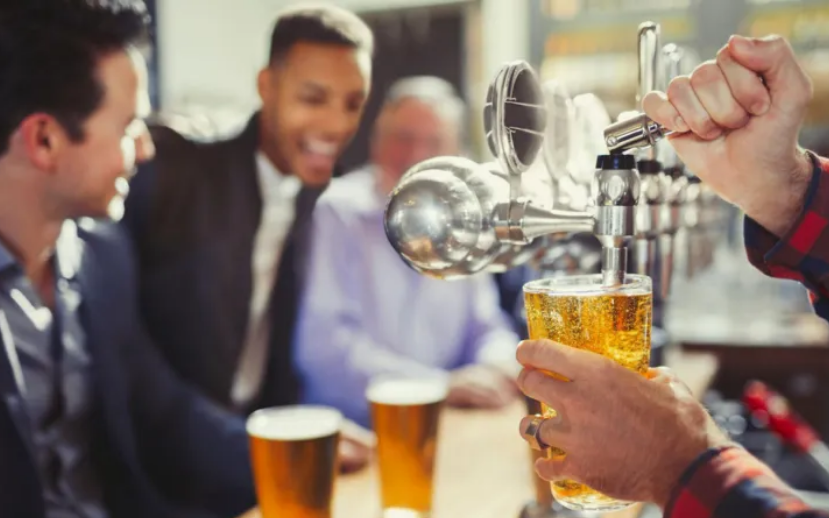
The UK government is expected to announce changes to business rates for pubs in England in the coming days, reducing the scale of upcoming increases and offering relief to landlords struggling with rising costs. Treasury officials have acknowledged the financial pressures facing many public houses after significant increases in the rateable value of their premises.
The move comes after sustained lobbying from pub owners and industry groups, including campaigns in which over 1,000 pubs reportedly barred Labour MPs from entering their premises. The government is also considering relaxing licensing rules to allow longer opening hours and expanded pavement areas for outdoor drinking.
It remains unclear whether the changes will extend beyond pubs to other hospitality businesses, such as cafes and restaurants, which have also called for support.
Business rates are calculated by multiplying the rateable value of a property by a set “multiplier.” Chancellor Rachel Reeves’ November Budget had reduced pandemic-era discounts from 75% to 40% and announced the removal of all discounts from April, leaving landlords facing sharply higher bills. Combined with rising rateable values, this has sparked concerns across the sector.
The government had already provided some relief by lowering the multiplier for pubs. Options under consideration include further reductions to the multiplier or an increase to the £4.3 billion transitional relief fund introduced to ease the impact of withdrawn pandemic support.
Emma McClarkin, chief executive of the British Beer and Pub Association, welcomed the news, calling it “potentially a huge win” for the sector. She said it could protect jobs, safeguard local businesses, and give publicans breathing space. Kate Nicholls, chair of UK Hospitality, urged the government to extend support to all hospitality businesses affected by rising rates, including cafes and restaurants, and to apply the maximum 20p discount to the multiplier.
Opposition parties have criticised the government for what they view as repeated reversals. Shadow business and trade secretary Andrew Griffith described the move as evidence that Rachel Reeves’ Budget is “falling apart,” while Liberal Democrat Treasury spokesperson Daisy Cooper called it “literally the last chance saloon” for pubs and high streets, urging immediate action.
Conservative leadership candidate Kemi Badenoch has proposed abolishing business rates for thousands of pubs entirely, arguing the sector has been treated “like cash cows to milk.”
Business rates policy is devolved across the UK, and the relief measures announced for England during the pandemic did not apply to Scotland. Scottish hospitality businesses are awaiting the Edinburgh government’s budget next week to see whether similar support will be introduced for pubs north of the border.
The announcement in England is likely to be seen as another U-turn by the government following previous policy reversals on winter fuel payments, disability benefits, and inheritance tax for farms and family businesses.
