


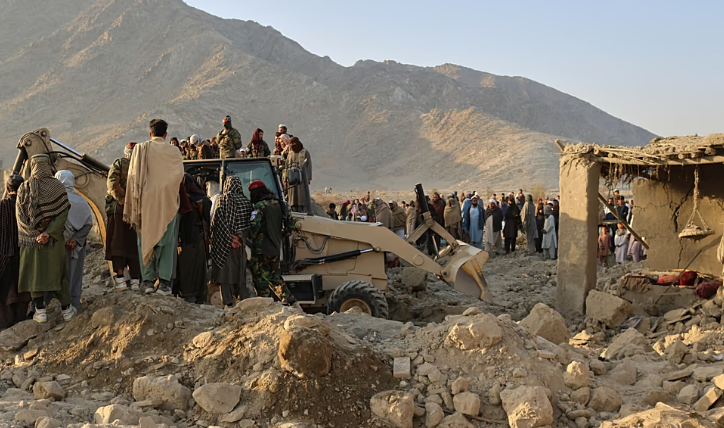
Pakistan carried out airstrikes on major cities in Afghanistan on Friday, including the capital Kabul, after Taliban forces attacked Pakistani border troops on Thursday night. Defence Minister Khawaja Mohammad Asif said the attacks followed months of border clashes and that Pakistan had run out of “patience,” describing the situation as an “open war.”
The strikes were in response to Taliban attacks on Pakistani troops, which came after Pakistani airstrikes targeted Afghan border areas on Sunday. In a post on X, Asif said Pakistan had hoped the Taliban would focus on stabilising Afghanistan and supporting its people following the withdrawal of NATO forces. Instead, he accused the Taliban of turning the country “into a colony of India,” gathering militants from around the world, and “exporting terrorism.”
The recent escalation follows a period of rising violence on both sides of the border. Suicide bombings in Pakistan and Afghanistan in recent months have caused significant casualties. A deadly attack on a Shiite mosque in Islamabad killed at least 40 people and was claimed by the Islamic State (IS) terrorist group. The regional IS-Khorasan chapter also claimed responsibility for a suicide bombing at a restaurant in Kabul last month.
The conflict has involved repeated breaches of an initial ceasefire, prompting Saudi Arabia to mediate the release of three Pakistani soldiers captured by Afghanistan in October. The border tensions are further complicated by large-scale migration movements. In October 2023, Pakistan began a crackdown on undocumented migrants, urging them to leave voluntarily while forcibly expelling others. Iran initiated a similar campaign around the same time.
These actions have forced millions to return to Afghanistan, including many who had lived in Pakistan for decades, establishing homes and businesses. The United Nations refugee agency reported that 2.9 million people returned to Afghanistan last year, with nearly 80,000 returning so far in 2026.
The escalating violence comes as both countries struggle to manage cross-border security and migration challenges. Analysts say the recent strikes by Pakistan could further destabilise the region, heightening tensions between the two nations and affecting broader regional security dynamics.
As clashes continue, Pakistan has emphasised the need to protect its borders and citizens from repeated attacks. The strikes on Afghan cities represent a significant escalation in the long-running conflict and underscore the fragile security situation in the border regions.
