


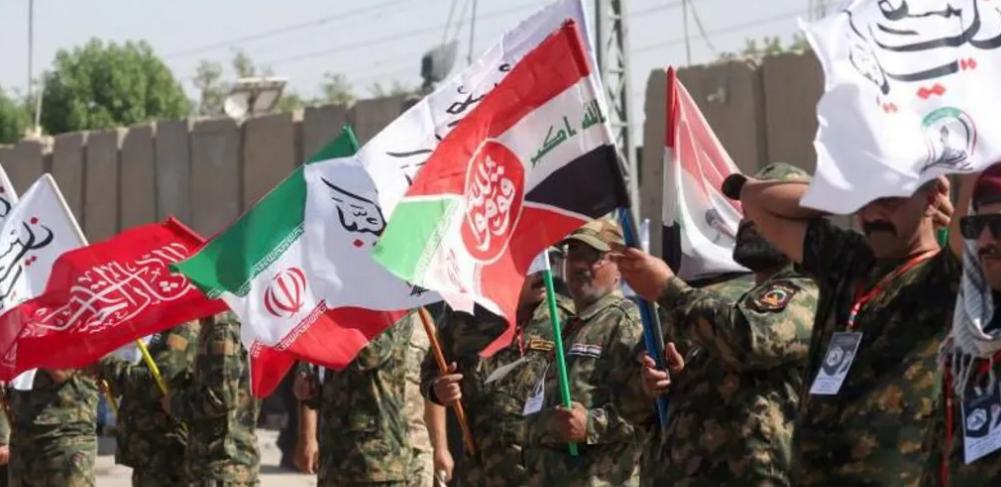
Iran and the United States exchanged fresh military strikes on Wednesday, with Tehran targeting U.S. military facilities in several Gulf countries while Washington carried out a new wave of attacks on Iranian military sites, marking a sixth consecutive day of renewed hostilities.
Iran said its forces struck U.S. bases and military-related targets in Jordan, Kuwait and Bahrain, as fighting intensified despite a preliminary agreement intended to end the conflict. The latest developments have raised doubts about the future of diplomatic efforts between the two countries.
The U.S. military confirmed it conducted a six-hour operation against multiple targets across Iran. U.S. Central Command (CENTCOM) said the strikes were aimed at reducing Iran’s ability to threaten commercial shipping and military operations in the Strait of Hormuz, one of the world’s most important energy transit routes.
According to CENTCOM, command centres, air defence systems and coastal surveillance facilities were among the targets, including sites in the southern port city of Bandar Abbas and Greater Tunb Island.
Iranian state media reported explosions in several areas, including Tehran, where air defence systems were activated overnight.
President Donald Trump warned that Iran would face additional military action if it refused to return to negotiations. Earlier this week, he also threatened to target Iran’s energy infrastructure if talks failed to resume.
Iran’s chief negotiator, Mohammad Bagher Ghalibaf, rejected that pressure, saying Tehran had “no reason” to remain committed to any agreement that did not serve the country’s interests. He also said Iran’s national security depended on maintaining what he described as Iranian control over arrangements in the Strait of Hormuz.
Iran’s Foreign Ministry spokesman Esmaeil Baqaei said a children’s cancer treatment centre in the western city of Ahvaz had been evacuated after nearby strikes.
Several Gulf states also reported security incidents following Iran’s latest attacks. Kuwait’s military said it intercepted drones approaching its territory, while Bahrain’s Interior Ministry urged residents to remain calm and seek shelter if necessary.
The Iranian military also claimed it targeted U.S. communications infrastructure and fuel storage facilities in Jordan.
The Strait of Hormuz remains effectively closed after Iran restricted maritime traffic in response to earlier U.S. and Israeli military operations. The disruption has slowed tanker movements through the strategic waterway, sending global oil prices sharply higher.
Washington also announced it had reinstated a blockade on Iranian ports that had previously been lifted under a memorandum of understanding reached last month. U.S. forces later disabled an unladen Curaçao-flagged oil tanker that CENTCOM said was attempting to enter a blockaded Iranian port.
Iran’s Revolutionary Guard warned that additional oil and gas export routes serving U.S. interests and its allies could also face disruption, though it did not identify specific locations.
Despite the escalating conflict, there was a rare diplomatic development after Iran released an American citizen detained since December 2024. Trump welcomed the move, describing it as a gesture of goodwill.
“The United States of America appreciates this gesture of Goodwill by Iran!” the president wrote on his Truth Social platform.
According to attorney Jared Genser, the released American, Dena Karari, was travelling back to the United States.
