


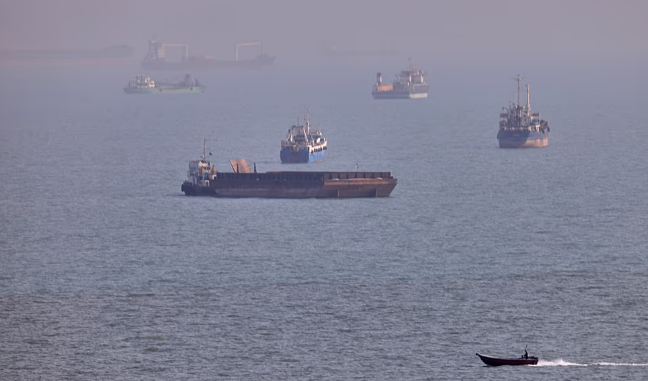
Oil prices rose on Monday as traders assessed the prospects of progress in negotiations between the United States and Iran that could eventually restore shipping through the Strait of Hormuz.
Brent crude futures for October delivery increased 1.04% to $84.42 a barrel in early trading, while US West Texas Intermediate crude for September delivery rose 0.83% to $78.83.
The gains came as uncertainty remained over when the strategically important waterway could reopen fully to international shipping. The Strait of Hormuz is a key route for global energy supplies, carrying about one-fifth of the world’s oil and liquefied natural gas shipments.
Iran’s Revolutionary Guards said on Sunday that the strait would remain closed until Washington met a series of demands. Tehran has also insisted on retaining control over the waterway following the conflict and has proposed charging fees for ships using the route, a position opposed by the United States.
The restrictions have added pressure to global energy markets and raised concerns about the security of oil and gas supplies.
Iran released conditions on Saturday for reopening the strait, according to the Tasnim news agency. The demands include an end to the war across all fronts, the lifting of a US counterblockade on Iranian ports, the removal of sanctions, the release of frozen Iranian assets and compensation for damage caused during the conflict.
The demands resemble provisions contained in a June memorandum that outlined a possible route toward peace talks. That agreement included plans for a $300 billion reconstruction fund for Iran.
The Revolutionary Guards said the blockade would continue until Iran’s conditions were accepted, describing the strait as a war zone rather than simply a shipping route.
The latest developments have complicated efforts by mediators to bring the two sides back to the terms of the June memorandum. Attacks around the waterway contributed to the collapse of an April ceasefire, increasing concerns that a prolonged disruption could further affect energy markets.
US President Donald Trump struck a more restrained tone when discussing the negotiations. In an interview, he said Washington was “low-keying it” and only “semi-negotiating” with Tehran.
Trump said the United States was watching Iran’s economic situation, pointing to high inflation and financial pressures facing the country.
“It will work out,” Trump said, comparing the situation to a chess game.
For oil traders, the key question remains whether the two governments can reach an agreement that would allow commercial shipping to resume safely. Any prolonged disruption could keep upward pressure on crude prices, while a successful deal could ease supply concerns and reduce the market’s risk premium.
