


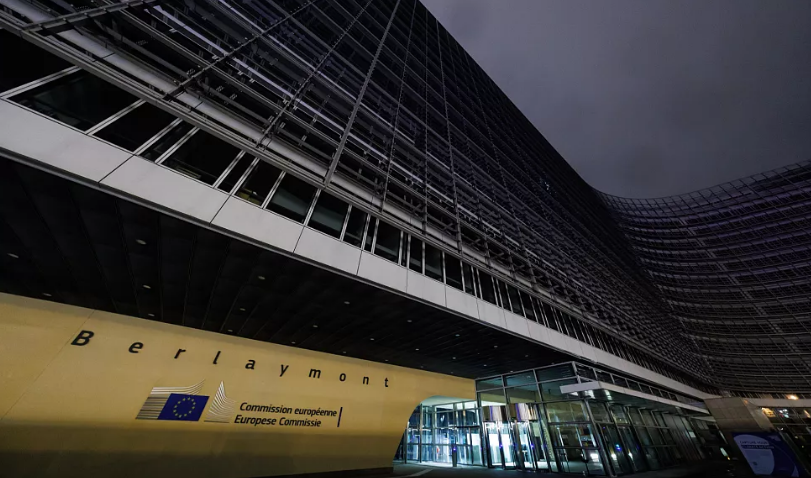
The European Commission will unveil its long-awaited proposal for the EU’s next seven-year budget on Wednesday, launching what is expected to be a politically charged negotiation that will shape the bloc’s priorities from 2028 to 2034.
Known as the Multiannual Financial Framework (MFF), the EU’s long-term budget funds everything from agricultural subsidies and scientific research to regional development, climate action, and — increasingly — defence and Ukraine’s reconstruction. With its scale and strategic significance, the MFF has been called the “mother of all battles” in Brussels.
This upcoming budget cycle follows a €1.2 trillion plan for 2021–2027, and while few expect major shifts in the overall size, the emphasis is on spending smarter and rebalancing priorities. Commission President Ursula von der Leyen has promised a more streamlined and flexible budget structure — a goal that is likely to trigger both optimism and resistance.
Unprecedented Secrecy Surrounds Budget Draft
The lead-up to Wednesday’s release has been marked by an unusual degree of secrecy. Commission sources described an internal process likened to intelligence operations, with senior officials working in isolated “silos” and most staff unaware of the actual budget figures. Only a handful of top-level insiders have seen the proposed allocations.
“The numbers will go directly to the College of Commissioners tomorrow. Only like three people know them,” one senior EU source told Euronews. This tight control, many say, reflects the influence of von der Leyen’s powerful chief of staff, Bjoern Seibert.
Key Structural Changes Expected
Leaks suggest the Commission plans to consolidate existing programmes into two major funding streams: a new European Competitiveness Fund, merging up to 12 programmes including Horizon Europe and EU4Health, and a “Sustainable Prosperity and Security Fund” to cover agriculture, cohesion, rural, and maritime policies.
These would replace many joint EU programmes with 27 national plans, tailored to member state needs but reflecting broader EU goals. The changes aim to simplify governance, but raise questions over control, transparency, and equitable distribution.
One fund likely to remain untouched is the European Social Fund, seen as politically untouchable after becoming a bargaining chip in von der Leyen’s bid for a second term. While its inclusion was never in real jeopardy, its continued prominence reflects the political sensitivity of social spending.
Flexibility and Defence Top the Agenda
The new proposal is also expected to include mechanisms for greater budget flexibility — allowing funds to be reallocated more easily in response to crises. Currently, only a small portion of the budget — around €21 billion — is available for emergencies, and the Commission is pushing to change that.
However, the most contentious issues will revolve around how to fund Ukraine’s reconstruction, how to navigate defence spending despite treaty constraints, and whether to introduce new common borrowing instruments to repay pandemic-era debt. Nordic states and others remain cautious about further EU-level borrowing, while others view it as essential.
What Comes Next?
Wednesday’s unveiling marks only the beginning of what will likely be a lengthy and complex negotiation. The European Parliament, member states, and the Commission all have different priorities — from defending national subsidies to introducing new EU-level revenues.
The Danish presidency of the EU Council aims to present a first compromise package, known as the “nego-box,” before the December EU summit. But with deep divisions already apparent, reaching consensus may prove difficult.
In the coming months, the future direction of EU policy — from green investment to geopolitical strategy — will hinge on how this financial puzzle is pieced together.
