


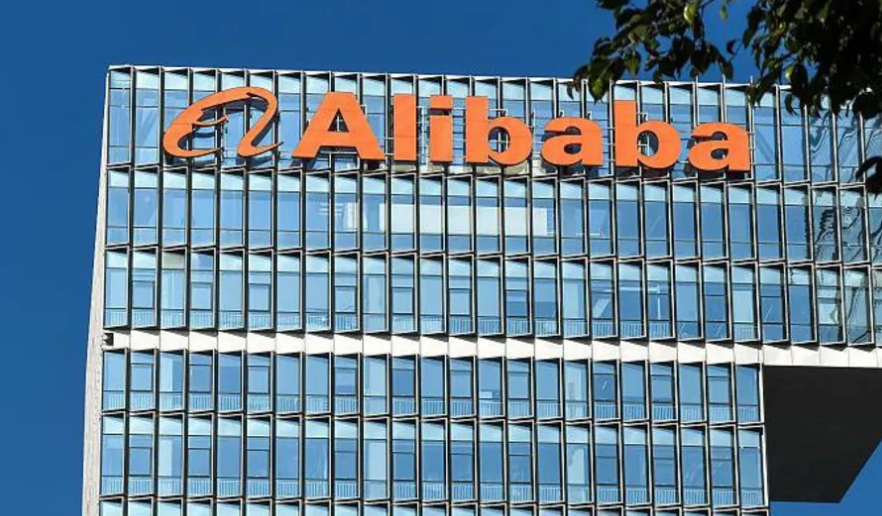
Chinese technology and e-commerce giant Alibaba has launched a legal challenge against the US government after being placed on a Pentagon blacklist that identifies companies alleged to have links to China’s military sector.
The lawsuit, filed in a federal court in California, seeks to overturn a decision by the US Department of Defense that designated Alibaba as a contributor to China’s military-industrial system under Washington’s military-civil fusion framework.
The case marks a significant escalation in tensions between the United States and China as scrutiny of major Chinese technology firms continues to intensify. The Pentagon recently expanded its blacklist to include several prominent Chinese companies, among them Baidu, BYD and NIO.
US officials argue that Alibaba’s compliance with Chinese technology regulations and its relationship with state authorities justify its inclusion on the so-called 1260H list. The Defense Department has described the company as a military-civil fusion contributor connected to China’s defence industrial base.
Alibaba strongly rejected those claims in its court filing, arguing that the designation lacks both factual and legal justification. The company stated that its independent board members have no military affiliations and stressed that it operates as a commercial enterprise focused on retail services and cloud computing.
In a statement, Alibaba said it is not a Chinese military company and does not participate in any military-civil fusion programme. The company argued that it is being penalised simply for complying with Chinese laws and regulations, requirements that apply equally to all businesses operating in the country, including foreign firms.
The dispute carries significant business implications. While placement on the blacklist does not immediately impose financial sanctions, restrictions linked to the designation are scheduled to take effect at the end of June.
Under those rules, the Pentagon will be prohibited from conducting business with blacklisted companies. The restrictions also extend to certain US contractors and professional advisers that maintain relationships with listed firms, potentially forcing American law firms and lobbying groups to sever ties with Alibaba to protect their own government contracts.
Alibaba claims that these measures effectively isolate the company from important legal and political representation in Washington at a critical time.
According to court documents, Alibaba had previously sought meetings with US authorities to address concerns regarding alleged military connections. The company said it provided information detailing its business activities and contributions to the US economy.
However, Alibaba argues that despite those efforts, the Defense Department neither raised additional concerns nor requested further information before issuing its designation. The lawsuit alleges that the company was added to the blacklist without adequate notice or an opportunity to respond fully.
The case is expected to become a closely watched legal battle as Chinese technology firms increasingly challenge US restrictions amid growing strategic competition between the world’s two largest economies.
