


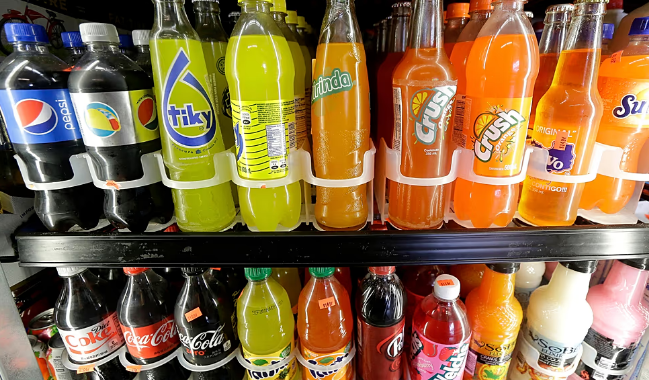
The World Health Organization (WHO) has warned that low taxes on alcohol and sugary drinks, especially those not adjusted for inflation, are failing to curb consumption and contribute to rising rates of obesity, diabetes, heart disease, cancer, and injuries worldwide.
In two reports released on Tuesday, the WHO highlighted that affordable prices for these products place a growing burden on health systems, while preventable diseases continue to escalate. The organisation called on governments to raise and redesign taxes to reduce consumption and generate funding for vital health services.
“Health taxes are one of the strongest tools we have for promoting health and preventing disease,” said WHO Director-General Tedros Adhanom Ghebreyesus. “By increasing taxes on products like tobacco, sugary drinks, and alcohol, governments can reduce harmful consumption and unlock funds for essential health programmes.”
The reports are part of the WHO’s new initiative, which seeks to increase the real prices of tobacco, alcohol, and sugary drinks by 2035. The findings are based on an analysis of prices and tax levels for beer, spirits, and sugar-sweetened beverages in more than 150 countries in 2024, alongside a review of tax policies in around 180 nations. Trends were compared with 2022 data to assess changes over time.
Alcohol remains a leading risk factor for more than 200 health conditions, including cancer, as well as mental health and behavioural issues such as depression, anxiety, and alcohol-use disorders. Globally, alcohol contributes to over 2.6 million deaths annually.
Despite taxation in more than 160 countries, the WHO found that beer and spirits have either become more affordable or stayed at similar prices since 2022 because tax rates are rarely updated to keep pace with inflation. Fewer than one in four countries with alcohol taxes routinely adjust rates, reducing their effectiveness over time.
Globally, beer is taxed at an average of 14 percent of its retail price, while spirits carry an average tax of 22.5 percent. A standard 330-millilitre beer costs $2.47, with only $0.52 collected in taxes. A 750-millilitre bottle of spirits averages $22.67, with $6.44 in taxes. At least 25 countries, mostly in Europe, do not tax wine, despite its associated health risks, including a higher cancer risk in women consuming more than 1.5 litres weekly. Only 28 countries allocate alcohol tax revenue to prevention or healthcare programmes.
Sugar-sweetened beverages, including fizzy drinks and fruit juices, also contribute to obesity, dental problems, and chronic diseases such as diabetes, heart disease, and cancer. These drinks are a major source of sugar intake in many countries, yet provide little nutritional value, the WHO said.
The organisation urged countries to implement sugar-based taxes on beverages to make unhealthy options less affordable and to encourage healthier choices, aiming to reduce the global burden of preventable diseases.
