


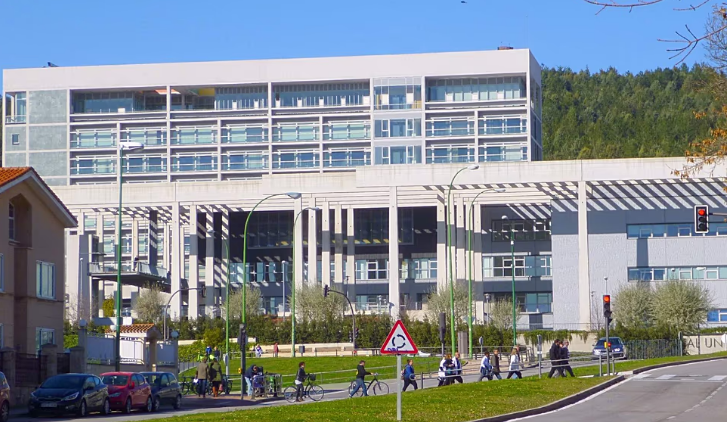
A third cancer patient has died following a medication error at University Hospital of Burgos, in a case that is now under judicial investigation as a possible instance of medical negligence.
The incident dates back to December, when five patients undergoing cancer treatment were given significantly higher doses of medication than prescribed. Hospital officials later confirmed that the mistake occurred during the preparation of the drug, when an incorrect concentration was mixed before being administered to patients.
Two of the affected patients died shortly after receiving the treatment. A third patient, who had remained in critical condition for several months, has now also died, raising further concerns about safety procedures at the facility. The remaining two patients responded to treatment and have since been discharged.
Spanish authorities have launched a formal investigation to determine how the error occurred and who may be responsible. Prosecutors are examining whether the case constitutes serious professional negligence, which could lead to criminal charges depending on the findings.
The hospital acknowledged that the overdose resulted from human error and said steps have been taken to prevent similar incidents. Internal protocols for preparing and administering medication have been revised, with additional safety checks introduced.
The case has drawn attention to the risks involved in handling complex cancer treatments, where precise dosing is critical. Errors in preparation can have severe consequences, particularly for patients already in fragile health.
Healthcare officials have not released the identities of the patients involved, citing privacy concerns. Authorities are expected to review medical records, staff procedures and oversight mechanisms as part of the investigation.
The incident has also prompted wider discussion within Spain’s healthcare system about safeguards in hospitals and the need for stricter controls when handling high-risk medications. Experts say such cases, while rare, highlight the importance of multiple verification steps to minimise the risk of human error.
As the investigation continues, families of the affected patients are seeking answers about how the mistake occurred and whether it could have been prevented.
