


Italy has reported its tenth death from West Nile virus this year following the death of a 93-year-old woman in the Lazio region, as infections continue to rise across parts of Europe.
According to the Spallanzani Institute in Rome, where the patient was being treated, the woman was originally from Cisterna di Latina and had initially been admitted to San Paolo Hospital in Velletri before being transferred to the capital. She is the fourth confirmed fatality from the virus in the Lazio region.
The Italian National Institute of Health confirmed that 57 new human cases were recorded nationwide between July 24 and 30. Of these, eight resulted in death. The virus’s neuro-invasive form, which attacks the central nervous system, currently has a lethality rate of 20% in 2025—matching the rate seen in 2018 and up from 14% in 2024.
Three additional deaths were reported earlier this week, including a 76-year-old man from Salerona, a 73-year-old from Maddaloni, and an 86-year-old patient treated at Santa Maria Goretti Hospital in Latina. All had underlying health conditions that may have worsened the virus’s impact.
The province of Latina has become a focal point of the outbreak, recording the highest number of infections—43 cases as of the end of July.
Across Europe, the European Centre for Disease Prevention and Control (ECDC) has confirmed the presence of West Nile virus in five countries: Italy, Greece, Romania, Bulgaria, and France. Bulgaria and France reported their first local transmissions of the 2025 season this week, while Greece, Romania, and Italy saw new infections emerge in additional regions.
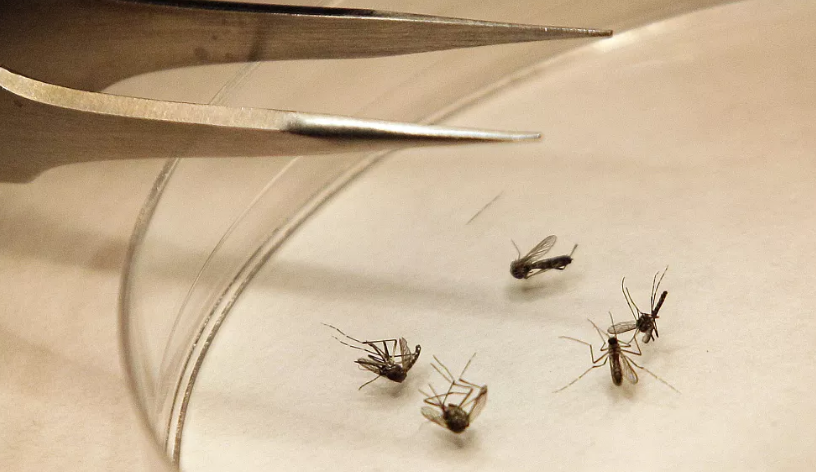
West Nile virus is primarily transmitted to humans through mosquito bites, with wild birds serving as the main natural reservoir. The virus is not spread through person-to-person contact, but in rare instances, it can be transmitted via blood transfusions, organ transplants, or from mother to fetus.
While most people infected show no symptoms, around 20% develop flu-like conditions, including fever, rash, headache, and nausea. Less than 1% experience severe complications, such as inflammation of the brain or spinal cord, potentially leading to paralysis or coma.
There is currently no vaccine or specific antiviral treatment for the disease. Prevention relies heavily on mosquito control and personal protection, including the use of insect repellent, wearing long sleeves, installing mosquito nets, and eliminating standing water near residential areas.
Health authorities across Europe have urged heightened vigilance, particularly among vulnerable populations such as the elderly and immunocompromised individuals, as the virus continues to spread through the warmer months.
