


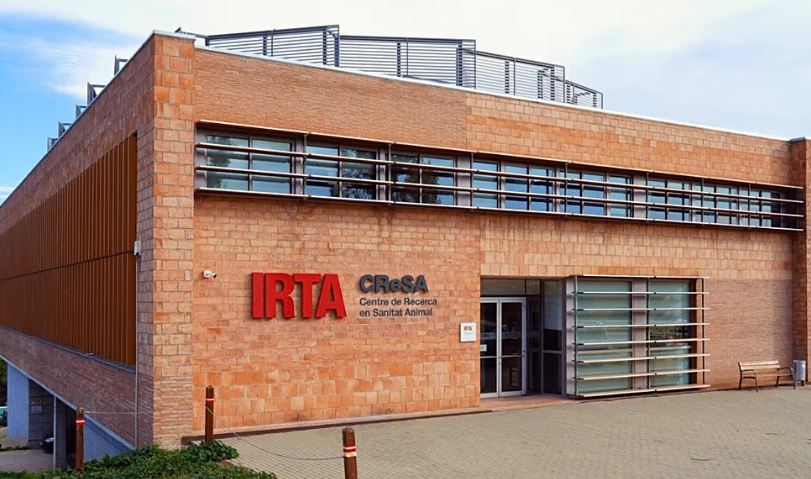
Spanish authorities have raided a leading animal health research laboratory in Catalonia as part of an investigation into a recent outbreak of African swine fever (ASF) that has killed 26 wild boars. The operation targeted the IRTA-CReSA facility in Cerdanyola del Vallès, one of five laboratories in the area that work with the virus.
Officers from the Mossos d’Esquadra, Catalonia’s regional police, and the Guardia Civil executed the court-approved search warrant on Thursday. The laboratory is being investigated for potential environmental crimes connected to the outbreak first identified in late November. Court proceedings related to the investigation have been placed under seal, and authorities have provided limited information. The Catalan police submitted an initial report to the court on December 9.
A key finding from the European Union reference laboratory, CISA-INIA, located near Madrid, has heightened scrutiny of IRTA-CReSA. Genetic analysis of the virus found in infected wild boars revealed a strain closely resembling one that circulated in Georgia in 2007. This strain is commonly used in experimental research and vaccine development. The proximity of the first infected animals to the IRTA-CReSA facility has intensified concerns about a potential laboratory link, though authorities have not confirmed the source.
The outbreak has led to 26 confirmed wild boar deaths and prompted restrictions in affected areas around Barcelona. African swine fever is not harmful to humans but can have devastating effects on commercial pig farms, posing significant economic risks to the livestock sector. In response, the Catalan government has commissioned an independent audit of IRTA-CReSA to determine whether any local research facilities could have contributed to the outbreak.
A joint investigation team, including Mossos d’Esquadra officers and Seprona, the Guardia Civil’s environmental protection unit, is working to determine whether the virus may have escaped laboratory containment. The inquiry is ongoing, and authorities have declined to comment further due to the court-ordered confidentiality.
IRTA-CReSA is one of several animal research centers within 20 kilometres of the outbreak’s initial detection. The investigation will examine laboratory protocols, containment procedures, and any potential lapses in biosecurity measures. Authorities are seeking to clarify the chain of events that led to the ASF outbreak and to prevent further spread among wildlife and domestic pigs.
The case underscores the challenges of managing highly contagious animal diseases near research facilities and the importance of strict biosafety measures. Regional authorities have emphasized that all potential sources, including natural transmission and human activity, will be thoroughly investigated to protect the livestock industry and wildlife in Catalonia.
