


The Portuguese government has moved to curb the misuse of certain high-demand diabetes and weight loss drugs, as well as glucose monitoring devices, by restricting which doctors can prescribe them.
Effective Friday, only specialists in endocrinology and nutrition, internal medicine, paediatrics, and general and family medicine will be authorised to prescribe glucagon-like peptide-1 (GLP-1) receptor agonists — including Ozempic, Wegovy, and Mounjaro — and glucose sensors. These injectable medications, used to treat type 2 diabetes and obesity, have gained worldwide popularity for their weight loss effects, creating shortages and driving demand beyond approved medical use.
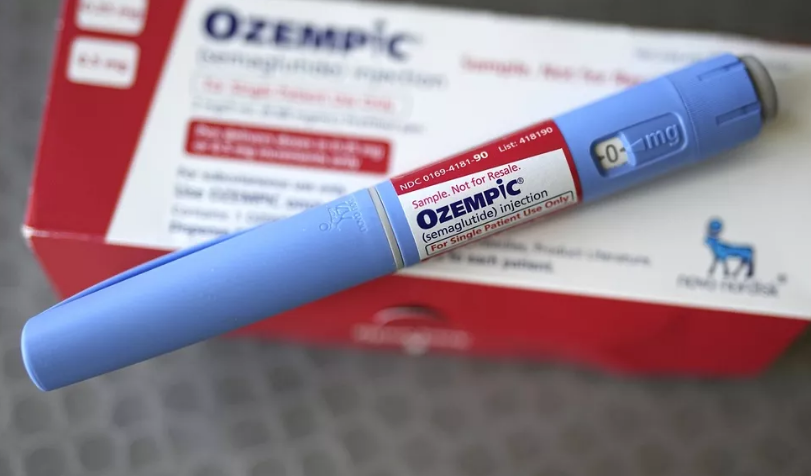
Ozempic, produced by Danish pharmaceutical firm Novo Nordisk, is officially authorised in Portugal solely for treating type 2 diabetes. However, its appetite-suppressing effects have made it a sought-after weight loss aid, leading to market shortages. Wegovy, also from Novo Nordisk, and Eli Lilly’s Mounjaro are approved for both diabetes and obesity treatment. According to official data, Portuguese consumers spent approximately €21 million on these drugs in the first four months of 2025 alone.
Glucose sensors, designed to help diabetics monitor blood sugar levels, have also been in short supply. Reports indicate they have been prescribed by non-specialist doctors and are being used by dieters, athletes, social media influencers, and even for monitoring animals.
The Ministry of Health, which announced the regulation in April, cited “recent reports of improper access to and use of these technologies, which have jeopardised their availability to those who actually need them.” It said the measure is intended to “regulate and correct these distortions, promoting effective and adequate access to these essential health tools.”
João Raposo, president of the Portuguese Society of Diabetology (SPD), welcomed the move but expressed doubt over its effectiveness, suggesting that prescriptions outside the approved specialties may already be limited. While not opposed to the drugs being used for obesity treatment, Raposo warned of “anomalous prescriptions and a lack of monitoring” among non-diabetic users.
“Health cannot be subject to the laws of the market,” he stressed, noting the temptation such drugs pose for those “desperately looking for solutions.”
GLP-1 medicines are reimbursed by the Portuguese state at 90 per cent, while glucose sensors can be subsidised up to 85 per cent. However, shortages have also fuelled a black market, raising concerns about counterfeit products.
The government hopes the new prescribing rules will ensure that supplies remain available for patients who medically require them — but experts caution that enforcement and oversight will be key to its success.
