


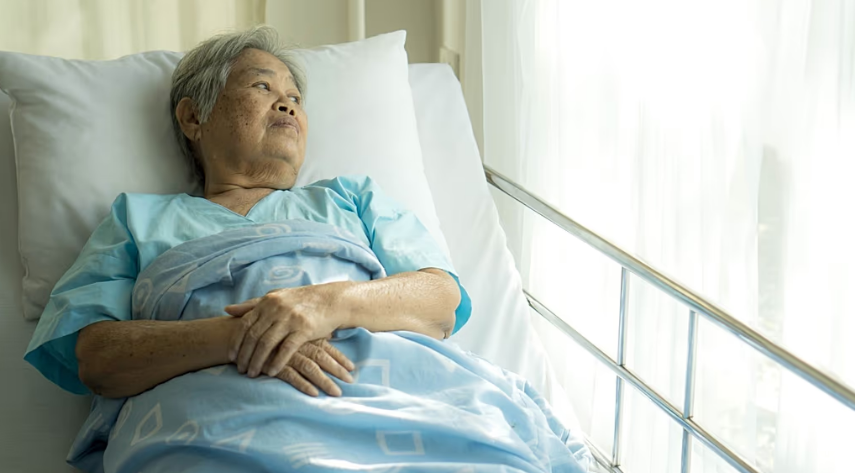
Cancer patients who experience loneliness or social isolation face a significantly higher risk of death, according to a major new analysis published in BMJ Oncology. The study suggests that the quality of a patient’s social connections could play a vital role in shaping cancer outcomes, beyond medical and biological factors.
The Canadian-led research examined data from 16 previous studies involving more than 1.6 million cancer patients across seven countries, including Canada, England, Finland, France, Ireland, Japan, and the United States.
“These findings collectively suggest that loneliness and social isolation may influence cancer outcomes beyond traditional biological and treatment-related factors,” the researchers noted.
While loneliness and social isolation are closely related, they are distinct experiences. Social isolation refers to a lack of contact or relationships, whereas loneliness describes the emotional feeling of being disconnected or unsupported, even when surrounded by others.
According to the researchers, loneliness may trigger biological stress responses that weaken the immune system and increase inflammation—factors that can worsen cancer progression. Mental health challenges also play a role, as patients dealing with fatigue, brain fog, or a perceived lack of understanding from loved ones may experience deep emotional strain.
The authors acknowledged certain limitations in their analysis, including variations in study design and measurement methods across the research reviewed. Still, they said the results add to growing evidence that social disconnection harms overall health.
Previous studies have linked loneliness and isolation to increased risks of heart disease, stroke, diabetes, dementia, depression, anxiety, and suicidal behaviour. The latest findings underscore the importance of addressing social and emotional support as part of comprehensive cancer care.
The research comes as the global cancer burden continues to climb. The World Health Organization estimates that new cancer cases will rise by nearly 75 per cent by 2050, with low- and middle-income countries expected to bear the greatest impact due to population growth and ageing.
The study’s authors called for further research to confirm their findings and to help develop targeted psychosocial interventions that support cancer patients’ mental and emotional wellbeing.
“Improving social connections and addressing loneliness may not only enhance quality of life but could also improve survival outcomes for people living with cancer,” the researchers concluded.
