


Greece is facing a significant rise in West Nile virus infections, with 45 new locally acquired cases reported in a single week, according to the National Public Health Organization (EODY).
As of August 12, authorities had recorded 110 domestically acquired infections across the country. Of these, 81 involved the central nervous system, including encephalitis, meningitis, meningoencephalitis and acute flaccid paralysis. The remaining 29 cases involved milder symptoms or no central nervous system complications.
Nine people with severe infections have died. All of those who died were aged over 65, with a median age of 82. Thirty-five patients remained in hospital as of August 12, including 16 in intensive care units. Sixty-one patients had been discharged, while five did not require hospitalisation.
Older people appear to face the greatest risk of severe illness. The median age among patients with central nervous system complications was 73, although affected patients ranged from 19 to 91 years old.
Health authorities warned that the confirmed figures probably represent only a small portion of total infections. EODY said previous research suggested that for every infection causing central nervous system disease, around 140 people may experience mild symptoms or remain unaware that they were infected.
Attica has emerged as the main centre of transmission this summer. Cases have been recorded in 39 municipalities across 14 regional units and four regions, including Attica, Thessaly, Central Macedonia and the Peloponnese.
Several municipalities in eastern Attica have reported particularly high numbers. Spata-Artemida recorded 11 cases involving central nervous system complications and two milder cases, while Markopoulo Mesogaias reported eight severe cases and three without central nervous system involvement.
Authorities have also identified several municipalities as high-risk areas despite no human cases being reported there by August 12. The classification is based on factors including proximity to affected areas, geographical characteristics and current and previous epidemiological data.
West Nile virus has also been detected in horses in parts of eastern Attica, Drama, Preveza and the Thessaloniki metropolitan area. Veterinary infections can indicate that the virus is circulating among mosquitoes in those locations.
EODY has intensified surveillance and investigates reported cases within 24 hours. Health authorities are also monitoring laboratory results and supporting specialised testing.
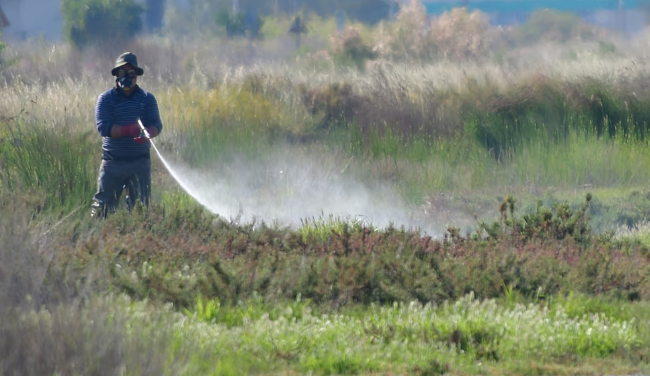
Mosquito-control programmes have been expanded, while mosquito traps are being used to detect virus circulation before or alongside human infections. Regional authorities are instructed to strengthen control measures when infected mosquitoes are identified.
EODY said West Nile virus has become established in Greece after repeated seasonal outbreaks since 2010. Further infections are expected during the summer and autumn, both in areas already affected and potentially in new locations.
Authorities are urging continued surveillance, stronger mosquito-control programmes and personal protection measures, including precautions to reduce exposure to mosquitoes.
