


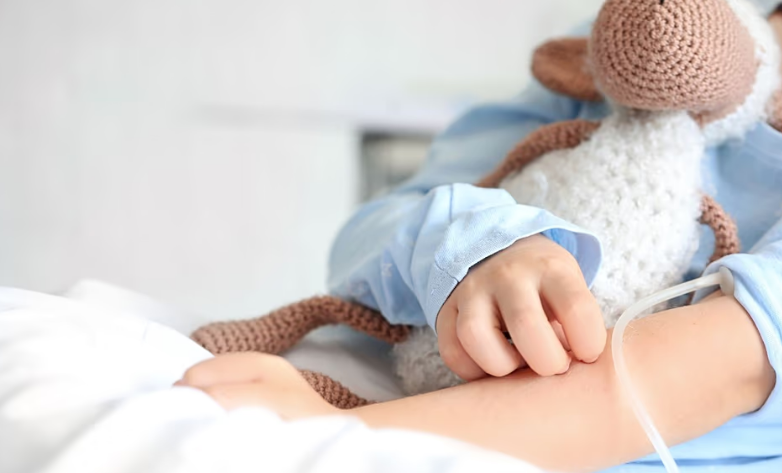
A groundbreaking gene therapy has successfully restored immune function in dozens of children suffering from a rare and fatal genetic disorder, raising hopes that the disease could one day be eliminated.
The treatment targets adenosine deaminase-deficient severe combined immunodeficiency (ADA-SCID), a condition that prevents the body from producing functional immune cells. Caused by mutations in the ADA gene, the disorder leaves infants dangerously exposed to infections and is often fatal within the first two years of life without intervention.
Researchers from the United States and the United Kingdom treated 62 children with the experimental therapy, which works by repairing the patient’s own stem cells. Blood stem cells — responsible for generating immune cells — are extracted from the child and genetically modified using a harmless virus that carries a working copy of the ADA gene. The corrected cells are then infused back into the body, allowing the immune system to rebuild naturally over several months.
Between 2012 and 2019, 59 of the children received successful treatment and have since maintained stable immune systems with no serious complications, according to findings published in the New England Journal of Medicine. Five of the children remain healthy more than a decade after treatment — a sign of the therapy’s long-term potential.
“These results are what we hoped for when we first began developing this approach,” said Dr. Donald Kohn, a paediatric bone marrow transplant specialist at the University of California, Los Angeles, who co-developed the therapy. He described the results as “remarkable,” noting that side effects were mostly mild and related to standard medical procedures rather than the therapy itself.
The study is the largest and longest follow-up of a gene therapy for ADA-SCID to date. Researchers said three patients for whom the treatment was ineffective were able to resume conventional therapies, including bone marrow transplants and enzyme replacement.
One key finding was that the therapy worked equally well in children who received frozen stem cells as in those given fresh infusions. “This removes the need for patients and their families to travel long distances to specialist centres,” explained Dr. Katelyn Masiuk, one of the study’s lead authors.
For families affected by ADA-SCID, the therapy has been transformative. Eleven-year-old Eliana Nachem from Virginia was diagnosed with the disorder as an infant and underwent the experimental procedure at 10 months old. Her parents had once feared she might not survive beyond her first year. Today, Eliana leads a healthy, normal life.
“I remember thinking, she’s born again, and now we just get to watch her grow,” said her mother, Caroline.
Researchers are now seeking approval from the US Food and Drug Administration (FDA) and are working with commercial partners to bring the therapy to market — potentially offering a cure for one of the world’s rarest childhood diseases.
