


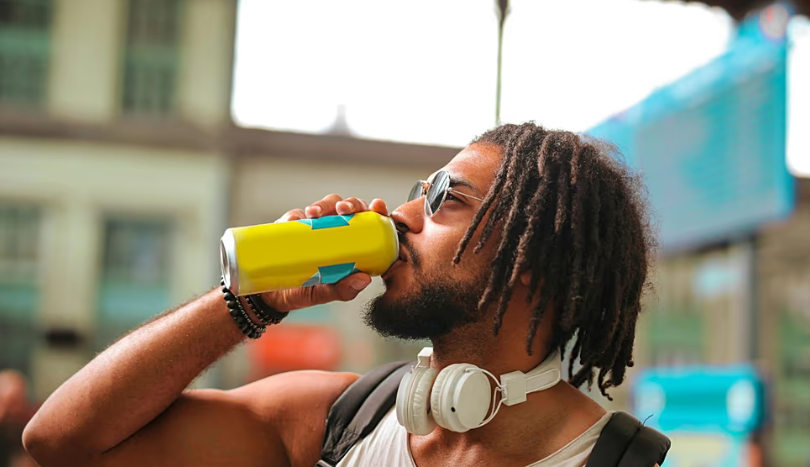
From pastel-coloured cans promising “calm” and “focus” to drinks infused with exotic-sounding herbs and minerals, functional beverages have become a staple on supermarket shelves in 2025. Marketed as quick fixes for stress, fatigue, or poor concentration, these products are riding the wave of wellness culture — but experts caution that the science behind them remains limited.
The global functional drinks market is projected to reach $248.5 billion (€212bn) by 2030, according to Grand View Research. The surge comes as younger consumers increasingly turn away from alcohol, with a YouGov survey showing 44 percent of Britons aged 18–24 now preferring low or non-alcoholic alternatives.
“These products fit perfectly into today’s wellness culture,” said Nicolle Cucco, a registered dietitian and personal trainer. “People are looking for convenient solutions in a fast-paced world. Add social media, clever branding, and rising levels of stress, and you have an explanation for the growth in demand.”
What’s in the can?
Functional drinks typically include ingredients such as ashwagandha, lion’s mane mushroom, L-theanine, magnesium, and cannabidiol (CBD). TRIP, one of the best-known brands, was launched in 2019 and became popular for its CBD-infused drinks blended with botanical flavours.
While some ingredients show promise, evidence is mixed. “Ashwagandha and L-theanine have demonstrated benefits in clinical trials, especially for stress and attention, while magnesium is well studied but only effective if you’re deficient,” Cucco explained. “For many people, the benefits may be marginal.”
Marketing under scrutiny
The booming industry has already drawn regulatory attention. In July, the UK’s Advertising Standards Authority banned a TRIP advert that implied its cucumber and mint drink could reduce stress and anxiety, ruling that the claim was unsubstantiated.
“Any product claiming to relieve anxiety or calm the mind must be backed by credible scientific evidence,” said dietitian Lena Bakovic. “Over-promising risks misleading consumers and undermines trust in evidence-based health practices.”
Experts also warn of the placebo effect in the sector. Because mood and focus are subjective experiences, believing a drink will provide benefits can itself create a perceived improvement.
Social media driving the trend
The rise of wellness influencers has played a major role in popularising functional drinks, with products like Huel and Athletic Greens heavily promoted on TikTok and YouTube. The message often mirrors the platforms they appear on: simple, bite-sized solutions for complex issues.
But dietitians stress that these beverages are not substitutes for medical treatment. “For individuals with conditions such as anxiety disorders or ADHD, functional drinks are not an appropriate or effective therapy,” Cucco said.
While occasional consumption is unlikely to cause harm, experts encourage consumers to treat the products with caution. “It’s important to look beyond the marketing,” Cucco added. “Some ingredients may have genuine benefits, others may not. Taking time to understand what you’re putting in your body is the wisest approach.”
