


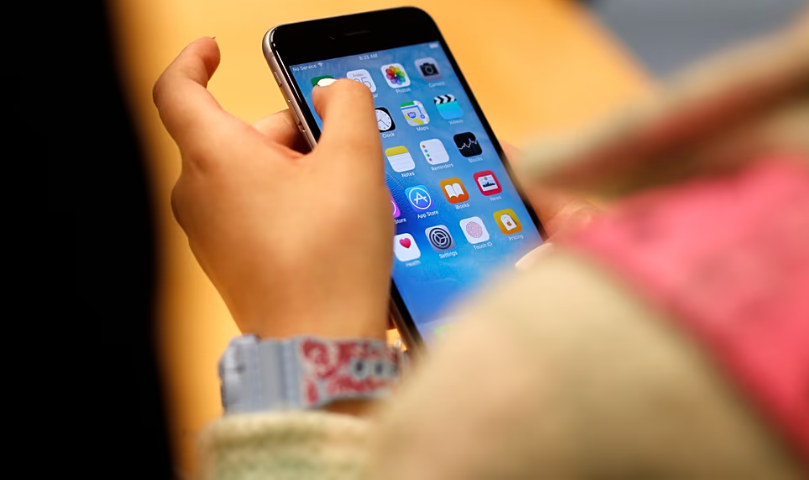
As European lawmakers debate phone bans in schools and restrictions on social media use among minors, experts say parents still play a crucial role in shaping their children’s relationship with technology.
Concerns over the effects of excessive screen time on young people’s mental and physical health are growing. Health researchers warn that overuse of social media can contribute to sleep problems, reduced physical activity, stress, and depression. Earlier this year, the World Health Organization (WHO) identified the “digital world’s grip” on youth as a major driver of global loneliness.
Dr. Janna-Lina Kerth, a pediatrician at the University Hospital of Düsseldorf, said young people often fall into a “vicious cycle” — spending more time online increases their desire to stay connected, making it harder to break away. “Problematic social media use is on the rise among European teenagers,” she said.
In response, European policymakers are seeking ways to address the issue. In September, European Commission President Ursula von der Leyen said she was exploring measures to impose social media limits for children across the EU. Several countries have already begun experimenting with new approaches. Sweden, for instance, recently launched a “leisure activity card” for children aged eight to 16, helping cover the costs of sports, clubs, and cultural programs to encourage offline engagement.
“More children should feel that they have meaningful leisure time because that leads to better physical and mental health,” said Madeleine Larsson of Sweden’s Public Health Agency.
Still, experts emphasize that much of the responsibility for healthy screen habits falls on parents. Dr. Kerth encourages families to “practice what they preach” by managing their own screen time. “Adults are glued to their phones as well,” she said, recommending that parents set collective screen-time goals instead of imposing strict limits only on children.
She also warns that complete bans on devices or apps can backfire. “Outright prohibitions may make the forbidden things more appealing,” Kerth said. Instead, she advises parents to have open discussions about why certain rules exist — such as no phones in bed to ensure better sleep — and to start these conversations as early as age four.
The WHO recommends limiting screen use for children under five to no more than one hour per day, while medical associations in Germany and France suggest keeping toddlers screen-free until age three. Experts also stress that not all screen time is harmful. Educational and interactive games, for example, can encourage active learning rather than passive scrolling.
To help children reduce screen use, Kerth suggests finding alternative activities that align with their interests and social circles. “It’s easy to say, ‘just read a book,’ but what really works is when they can do something meaningful with their friends — like a sport or group activity,” she said.
