


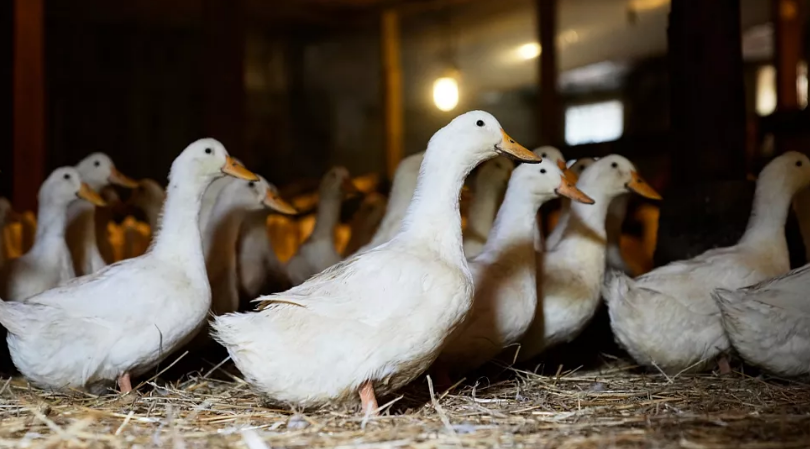
A highly pathogenic strain of bird flu that has spread from animals to humans in the United States could pose a threat to Europe, the European Food Safety Authority (EFSA) has warned in a newly released report.
The alert follows growing international concern over the H5N1 avian influenza strain, which has been linked to an outbreak in US dairy cattle and has already infected 70 people, killing one. While there is no evidence yet of human-to-human transmission or the strain’s presence in Europe, EU scientists say the virus’s potential to adapt to humans makes it a serious global health concern.
“Avian influenza viruses pose an increasing threat, with the potential to adapt to humans and trigger future pandemics,” said Andrea Gervelmeyer, scientific officer at EFSA’s animal health team. She described the risk as a “major concern for global health.”
EFSA’s risk assessment focuses on the possible routes through which the virus could enter the European Union. Two of the main concerns highlighted are trade in raw dairy products and the migration of wild birds from the Americas.
According to EFSA, wild bird migration patterns make several European regions—such as Iceland, the UK, Ireland, western Scandinavia, and coastal wetlands in Germany, Denmark, and the Netherlands—vulnerable to early introduction of the virus. As birds travel long distances in the coming months, they could carry the virus across continents, potentially triggering outbreaks among domestic poultry and wild species in Europe.
Trade is also a factor. Although most dairy imports from the US undergo pasteurisation, which kills the virus, EFSA identified instances where imported raw milk or fresh cheese may not have received adequate heat treatment. Since 2023, the EU has imported nearly 900 tonnes of milk and cream and 10 tonnes of fresh cheese from the US that may not have been fully treated to eliminate avian influenza risk.
Despite the concern, other US food exports—including poultry, beef, and bull semen—were assessed as low-risk, thanks to existing sanitary controls and limited virus presence in those products. Nonetheless, EFSA flagged lingering uncertainty around US data and called for continued surveillance and updated safety measures.
In response, EFSA pledged to closely monitor the situation and provide further recommendations to prevent the US bird flu strain from entering Europe.
“The assessment aims to strengthen preparedness measures and safeguard public health in the EU,” Gervelmeyer said.
