


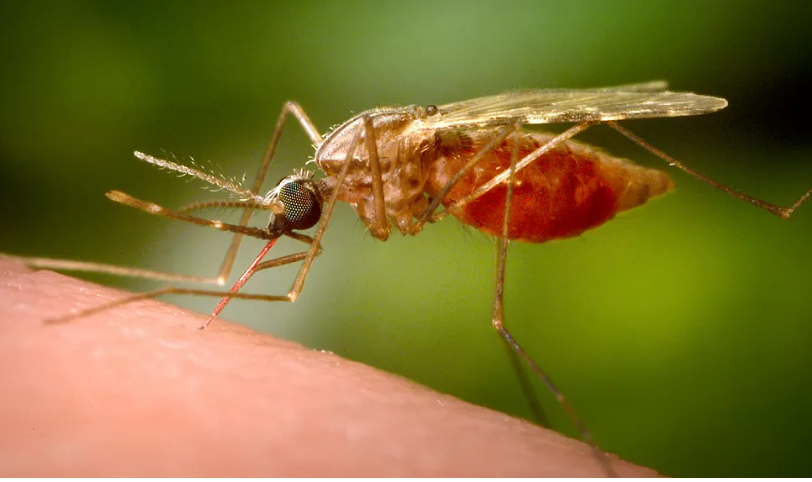
China is grappling with a significant outbreak of chikungunya, a mosquito-borne viral disease, with over 7,000 cases reported in the southern province of Guangdong so far this year. The city of Foshan has emerged as the epicentre, prompting an urgent response from health authorities to curb the virus’s spread.
According to China’s state broadcaster CCTV, patients in Foshan have been hospitalised and are sleeping under mosquito nets as authorities step up containment efforts. More than 2,800 new cases were reported in just the last week, fuelling concern over the rapid transmission of a virus rarely seen in China.
Local health officials say the outbreak was triggered by an “imported case” in July, though they have not disclosed its origin. Since then, at least 12 other cities in Guangdong have confirmed infections. On Sunday, Hong Kong reported its first chikungunya case — a 12-year-old boy who had recently travelled to Foshan and later developed fever, rash, and joint pain.
Authorities insist that all reported cases in China so far have been mild, with most patients recovering without complications. However, the pace of the outbreak has heightened public health alertness.
Understanding Chikungunya
Chikungunya was first identified in Tanzania in 1952 and has since spread to over 110 countries, with outbreaks most common in Africa, Southeast Asia, and the Pacific Islands. The virus is transmitted through the bite of infected Aedes mosquitoes.
Symptoms typically develop within a week of exposure and include high fever, rash, muscle aches, joint pain, and nausea. While fatalities are rare, joint pain can linger for months in some cases. There is no specific treatment or widely available vaccine.
Containment Measures Underway
In response to the escalating outbreak, authorities in Guangdong have pledged “decisive and forceful measures” to contain the virus. The provincial government has launched large-scale mosquito control initiatives, including clearing stagnant water from public and residential areas — known breeding grounds for mosquitoes.
Residents have been urged to eliminate standing water from items such as flower pots, bottles, and household containers. Those failing to comply face fines of up to 10,000 yuan (€1,208). In Foshan, officials have released mosquito-eating fish into lakes and deployed drones to detect hidden water sources on rooftops and other inaccessible areas.
The Chinese Center for Disease Control and Prevention has also issued advisories on both chikungunya and dengue fever, recommending the use of mosquito nets, screen doors, and repellents.
Mosquito-Borne Illnesses in Europe
While chikungunya remains rare in Europe, France and Italy have reported a combined 51 cases this year. Meanwhile, Italy is battling its own mosquito-borne crisis — West Nile virus. The Lazio region reported the death of a 93-year-old woman last week, bringing the country’s death toll to 10 in 2025.
The European Centre for Disease Prevention and Control (ECDC) has confirmed West Nile infections in five countries: Italy, Greece, Romania, Bulgaria, and France. In Italy, the lethality rate for the neuro-invasive form of the virus has climbed to 20%, up from 14% last year.
As the global climate warms and mosquito habitats expand, public health experts warn that outbreaks of mosquito-borne illnesses may become increasingly frequent — even in regions previously considered low-risk.
