


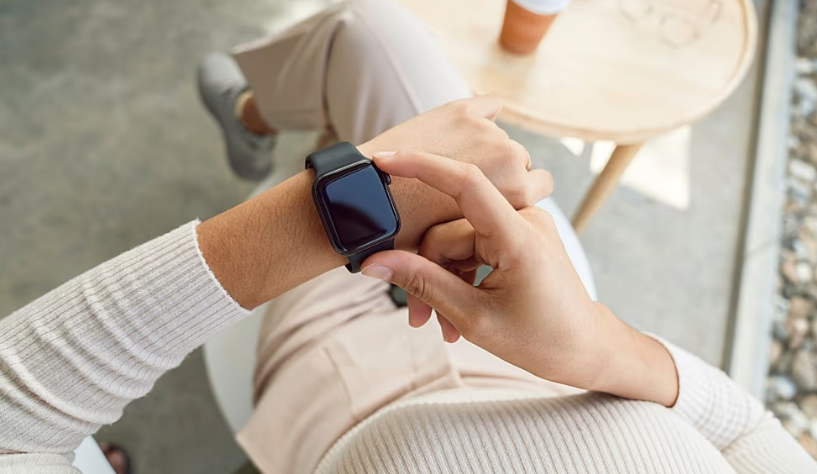
Apple is preparing to roll out a new feature for its smartwatch that it says could help identify millions of people living with undiagnosed high blood pressure. But cardiologists are warning users not to over-rely on the technology, stressing that the alerts should not replace traditional medical assessments.
The new function, which is pending regulatory approval, will use the Apple Watch’s light sensor to analyze how a wearer’s blood vessels respond to their heartbeat. If the system consistently detects patterns associated with hypertension, or chronic high blood pressure, it will issue an alert.
Unlike a conventional blood pressure cuff, the smartwatch will not provide specific readings. Instead, users who receive alerts will be encouraged to monitor their blood pressure with a cuff over a week and consult a doctor with the results. Apple said it expects to identify more than one million cases of previously undiagnosed hypertension in the feature’s first year.
Hypertension is one of the world’s most widespread but often silent health risks. The World Health Organization estimates that around 1.3 billion adults globally have high blood pressure, but nearly half remain unaware of their condition. Left untreated, hypertension significantly increases the likelihood of heart attacks, strokes, and kidney disease.
Apple plans to introduce the feature in more than 150 countries and regions, including the European Union, once approval is granted. It will be available on the Apple Watch Series 9 and later models, including the Apple Watch Ultra 2 running watchOS 26.
Health experts say that while the innovation could raise awareness, it comes with clear limitations. Dr. Felix Mahfoud, chair of the cardiology department at the University Hospital Basel in Switzerland, cautioned that smartwatch alerts should not be mistaken for precise medical measurements.
“I can tell you what it means if we measure your blood pressure in a doctor’s office, in terms of your risk of stroke and other health issues,” Mahfoud said. “But all this is basically unknown for detection by smartwatches. No one should ever base any treatment or management decision on a smartwatch.”
Apple’s own trials, involving over 2,200 participants, highlighted both the promise and the constraints of the feature. The watch demonstrated a sensitivity rate of around 41 percent — meaning it correctly identified less than half of hypertension cases — and a specificity rate of about 92 percent, suggesting a low likelihood of false alarms.
The company has also emphasized that the feature is not suitable for everyone. It will not be recommended for people under 22, pregnant women, or those already diagnosed with hypertension.
Still, experts believe it could play a valuable role in increasing public awareness. “It’s great if we can increase awareness of hypertension, and hopefully these tools will do that,” Mahfoud said.
