


A new trade agreement between the United States and the United Kingdom has officially come into force, lowering tariffs on several key exports and offering a significant boost to British carmakers and aerospace manufacturers. However, the deal has also triggered backlash from the UK’s steel and bioethanol sectors, which remain under pressure from ongoing and potentially escalating US import duties.
Signed during the G7 summit earlier this month, the agreement marks a partial rollback of the sweeping tariffs first imposed under former US President Donald Trump. Under the terms, UK carmakers can now export up to 100,000 vehicles annually to the US with a 10% tariff—down from the previous rate of 27.5%. Tariffs on UK aerospace products have been removed entirely.
Prime Minister Sir Keir Starmer hailed the pact as a “historic deal,” saying it would protect vital British industries and enhance market access to the world’s largest consumer economy.
Business and Trade Secretary Jonathan Reynolds said the changes would save manufacturers “hundreds of millions each year” and help preserve thousands of jobs in the automotive and aerospace sectors.
In return, the UK will lift a 20% tariff on US beef and raise the import quota to 13,000 tonnes. It will also allow up to 1.4 billion litres of US ethanol to enter tariff-free, eliminating the previous 19% duty. However, this part of the deal has drawn sharp criticism from British farmers and domestic bioethanol producers.
The UK bioethanol industry warned that the influx of heavily subsidised US ethanol could threaten local producers, while some consumer groups expressed concern over the potential for hormone-treated beef entering the market. The UK government has pledged to enforce strict certification and border checks to prevent such products from being sold domestically.
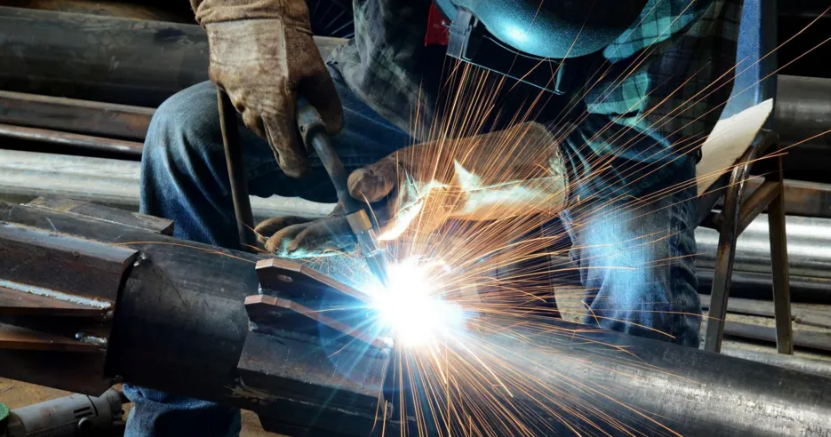
Despite the new agreement, UK steel and aluminium exports remain subject to a 25% tariff, with the potential for duties to double to 50% if no resolution is reached by the 9 July deadline. Industry leaders say the uncertainty is already affecting trade decisions.
Liam Bates, UK managing director of Sheffield-based steel firm Marcegaglia, told the BBC that the unresolved tariff issue is creating major challenges. “A single shipment could face £1.5 million in unexpected duties. It makes it extremely difficult to plan production,” he said.
Trump, who reimposed global tariffs in April before pausing them for talks, has hinted he may not extend the July deadline for negotiations, although he left the door open. Meanwhile, other nations, including Thailand and Canada, are also engaged in talks with Washington to resolve trade disputes.
As negotiations continue, the partial agreement between the US and UK signals progress but leaves critical sectors on edge, with only days left to avoid further disruption.
