


Britain’s economy unexpectedly shrank by 0.1% in May, according to data released by the Office for National Statistics (ONS) on Friday, raising fresh concerns over the government’s ability to deliver on its central pledge to drive economic growth.
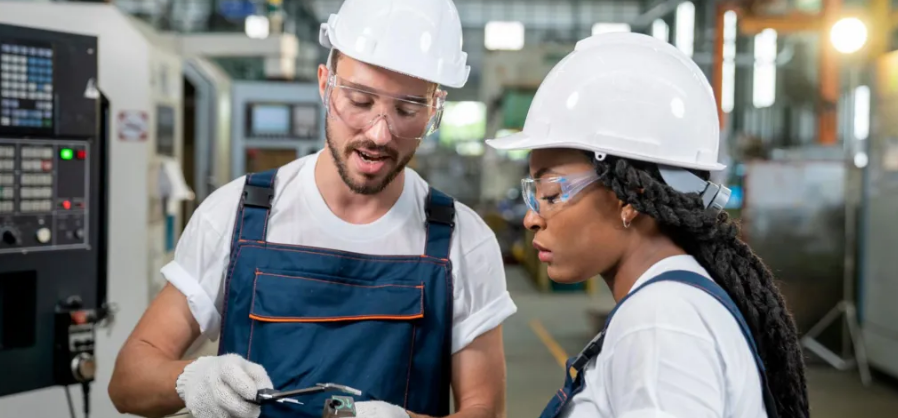
The contraction follows a 0.1% decline in April, marking two consecutive months of economic shrinkage. Analysts had forecast a modest rebound, but the ONS said the drop was mainly driven by a fall in manufacturing output and weak retail performance. Construction activity also declined, outweighing modest gains in the services sector.
Chancellor Rachel Reeves called the figures “disappointing” but pledged to “kickstart economic growth” and make “getting more money in people’s pockets” her top priority. The Labour-led government has faced growing scrutiny over its economic strategy, particularly after a promising first quarter of 2025 saw the UK briefly outperform other G7 economies.
Growth in the first three months of the year was bolstered by a surge in exports, as manufacturers rushed to beat looming US import tariffs, and a flurry of home purchases ahead of the expiry of a stamp duty break. However, economists now say that this “front-loaded” activity has drained momentum from the second quarter.
Forecasts suggest the economy may grow just 0.1–0.2% between April and June, with the UK narrowly avoiding a technical recession, defined as two consecutive quarters of negative growth. Still, experts say the outlook remains fragile.
Hailey Low, associate economist at the National Institute of Economic and Social Research, warned the recent backtracking on planned spending cuts has left the government with fewer options to manage shocks. “The chancellor faces hard trade-offs in the autumn Budget,” she said, “and may be forced to either raise taxes or cut spending to meet her own fiscal rules.”
Opposition parties seized on the GDP data to criticise the government. Conservative shadow chancellor Mel Stride blamed “Labour’s reckless choices” for the contraction and warned of looming tax hikes. Liberal Democrat Treasury spokesperson Daisy Cooper said the figures cast “storm clouds” over small businesses already strained by high inflation and interest rates.
Despite the gloomy picture, some businesses remain optimistic. Mick Crosthwaite, CEO of veterinary tech firm Hallmarq, said the company continues to grow thanks to its strong export base across 26 countries. “We’re not tied just to the UK economy,” he noted.
The ONS said oil and gas output, pharmaceuticals, and car production all dragged on growth in May, though legal services saw a recovery. The economy expanded 0.5% in the three months to May compared with the previous three months, largely due to earlier gains.
A more comprehensive quarterly growth figure is expected next month, alongside continued speculation of a Bank of England interest rate cut in August to stimulate the economy.
