


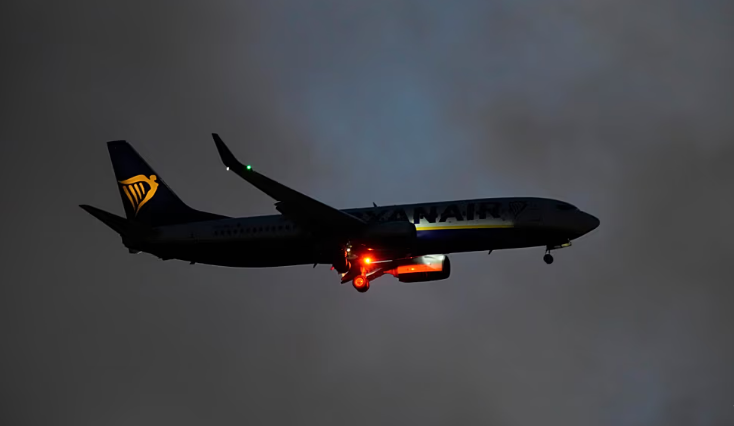
Ryanair reported a sharp decline in profits for the third quarter of its financial year, which ended in December, as the airline’s accounts were significantly affected by regulatory penalties. Post-tax profit fell to €30 million, down more than 80% from €149 million in the same period a year earlier.
The low-cost carrier’s revenue was supported by a year-on-year increase in passenger numbers, rising from 44.9 million to 47.5 million during the quarter. However, the €256 million fine imposed by Italy’s antitrust authority in December overshadowed these gains. The watchdog ruled that Ryanair had abused its dominant position and obstructed the activities of travel agencies and intermediaries.
According to the authority, Ryanair pursued “a complex strategy” aimed at complicating the purchase of flights on ryanair.com when combined with tickets from other carriers or additional tourism and insurance services. The regulator outlined three stages of the airline’s approach.
Firstly, Ryanair introduced facial recognition procedures for passengers booking via third parties, penalising intermediaries. The airline then intermittently blocked booking attempts by travel agencies, including through restricted payment options and account deletions. Finally, at the start of 2024, Ryanair implemented partnership agreements for online and physical travel agencies that banned sales of Ryanair flights in combination with other carriers. The watchdog also cited an aggressive communications campaign against agencies that refused to sign the agreements.
In response, Ryanair has appealed the fine, calling it “baseless.” The airline has also implemented technical changes to restore competitive conditions and simplify third-party sales.
Despite the third-quarter setback, Ryanair remains optimistic about the full 2026 financial year. The airline expects passenger traffic to rise by 4%, reaching approximately 208 million travelers. Costs are projected to increase only modestly due to the delivery of new aircraft and hedging strategies against fuel price fluctuations, helping offset rising expenses.
Ryanair also anticipates fares to exceed previous growth forecasts of 7% by an additional 1 to 2 percentage points. The airline projects annual pre-tax profits between €2.13 billion and €2.23 billion. After delays in Boeing deliveries last year, Ryanair has now received nearly all of its 737 Max-8 aircraft and expects deliveries of the Max-10 model to begin next year.
The company’s stock reacted to the results, with shares falling roughly 2% by 11 a.m. in Dublin, reflecting investor concerns over the impact of regulatory actions on short-term earnings.
Analysts note that while regulatory fines have caused a temporary profit drop, Ryanair’s growing passenger numbers, new aircraft deliveries, and controlled cost increases position the airline for potential recovery and strong performance in the coming fiscal year.
