


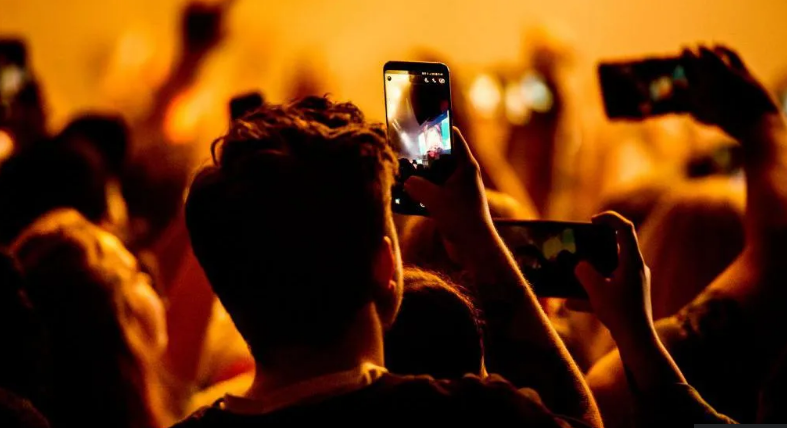
When Sir Paul McCartney performed at the Santa Barbara Bowl, he promised fans an intimate gig. But the former Beatle went further by agreeing to a makeshift “lockdown” on selfies and filming. All 4,500 attendees had to place their mobile phones in lockable pouches for the duration of the concert, allowing the audience to enjoy the performance completely “phone-free.”
“Nobody’s got a phone,” McCartney told the crowd during his 25-song set. “Really, it’s better!”
The process is simple but effective. On entering the venue, concert-goers place their phones in magnetically locked pouches, which release only at the end of the show. Artists such as Dave Chappelle, Alicia Keys, Guns N’ Roses, Childish Gambino, and Jack White have adopted the system, reporting that it allows them to perform at their best and experiment more freely. Fans have praised the experience, saying it encourages full engagement rather than recording moments for social media.
The technology behind the pouches comes from Yondr, a US start-up founded by former professional footballer Graham Dugoni. The idea arose in 2012 when Dugoni witnessed a stranger filming a drunk festival-goer and posting it online, prompting him to question modern expectations of privacy. Yondr has since expanded, providing phone-free spaces for concerts, theatres, art galleries, and schools. In the United States, about 2.2 million students use Yondr pouches, and around 250,000 children in England are now covered, including one Yorkshire academy trust that spent £75,000 on the system.
Paul Nugent, founder of rival Hush Pouch, emphasizes the benefits in schools. He says smartphones create anxiety, fixation, and FOMO – the fear of missing out – making it difficult for students to focus. “The only way to genuinely allow children to concentrate in lessons, and to enjoy break time, is to lock them away,” he explains. Headteachers report improvements in academic performance, reductions in bullying, and smoother classroom management. At Vale of York Academy, students can focus without distractions, according to headteacher Gillian Mills.
The concept is gaining political attention. Conservative leader Kemi Badenoch has called for a full ban on smartphones in schools if her party enters office. While the Labour government has stopped short of an England-wide ban, it has launched a consultation on restricting social media for under-16s and is giving Ofsted powers to inspect school phone policies.
Nugent and Dugoni believe societal pushback is growing. “We’re getting so many enquiries now,” Nugent says. “People want to ban phones at weddings, in theatres, and even on film sets.” Dugoni adds that enforcing breaks from smartphones is increasingly seen as vital to mental health, social interaction, and critical thinking.
For the 4,500 fans singing along to “Hey Jude” at sunset in Santa Barbara, the experience offered a glimpse of what unplugged life might feel like.
