


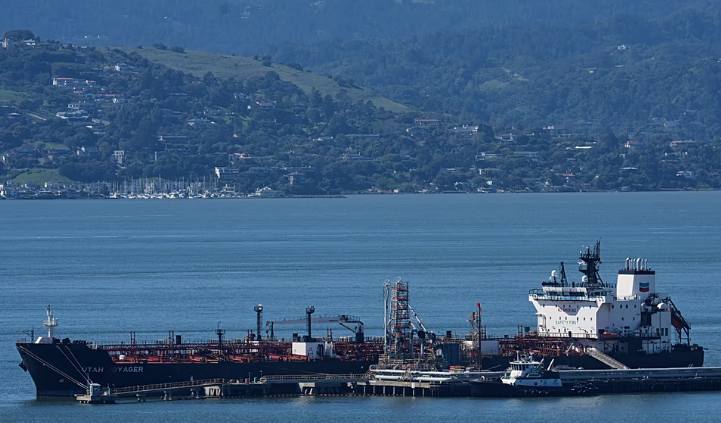
Global oil prices continued to rise on Wednesday, though at a slower pace than earlier in the week, as the conflict between the United States, Israel and Iran entered its fifth day with no clear path to de-escalation. Markets remain focused on the safety of the Strait of Hormuz, a critical route for global energy supplies.
US benchmark WTI crude was up 2.7 percent at midday, trading at around $75 per barrel. Brent crude rose more than 3 percent, fluctuating between $83 and $89 per barrel. The gains follow sharp increases of 5 to 8 percent in recent days as fears of supply disruptions intensified.
Natural gas markets showed signs of stabilizing after extreme volatility. Europe’s benchmark Dutch TTF futures fell about 2 percent to around €50 per megawatt hour after briefly spiking to €56/MWh. The recent surge had nearly doubled prices within 48 hours, driven by concerns over liquefied natural gas supplies after production in Qatar was halted following reported attacks on energy facilities.
Although prices have eased slightly, they remain well above pre-conflict levels, reflecting the market’s sensitivity to geopolitical risks.
The escalation follows the launch of Operation Epic Fury, a coordinated US-Israeli campaign targeting Iranian leadership and nuclear infrastructure. Since strikes began on 28 February, traffic through the Strait of Hormuz has fallen sharply. The narrow waterway, controlled by Iran and linking the Persian Gulf to the Gulf of Oman, handles roughly one-fifth of global oil and LNG shipments.
According to energy intelligence firm Vortexa, crude tanker transits dropped to just four vessels on Sunday, compared with a daily average of 24 since January. Three of the four ships were Iran-flagged. Lloyd’s List Intelligence estimates that around 200 internationally trading crude and product tankers are effectively stranded in the Gulf due to security concerns. Several vessels have reportedly been hit by projectiles near the strait, deterring further passage.
US President Donald Trump said on Tuesday that he had directed the US International Development Finance Corporation to provide political risk insurance and financial guarantees for maritime trade. He added that the US Navy could begin escorting tankers through the Strait of Hormuz if necessary. However, markets have remained cautious.
Mizuho Bank said in a note that while such assurances may reduce some risks, they do not remove the upward pressure on oil prices. The bank estimated that higher insurance costs alone could add $5 to $15 per barrel.
Goldman Sachs raised its oil price forecast for the second quarter of 2026, projecting Brent at $76 per barrel and WTI at $71, assuming a short disruption followed by gradual recovery. It warned that a five-week closure of the strait could push prices as high as $100 per barrel.
Persistently elevated energy prices are adding pressure on central banks, including the Federal Reserve, as inflation risks complicate decisions on interest rates and economic growth.
