


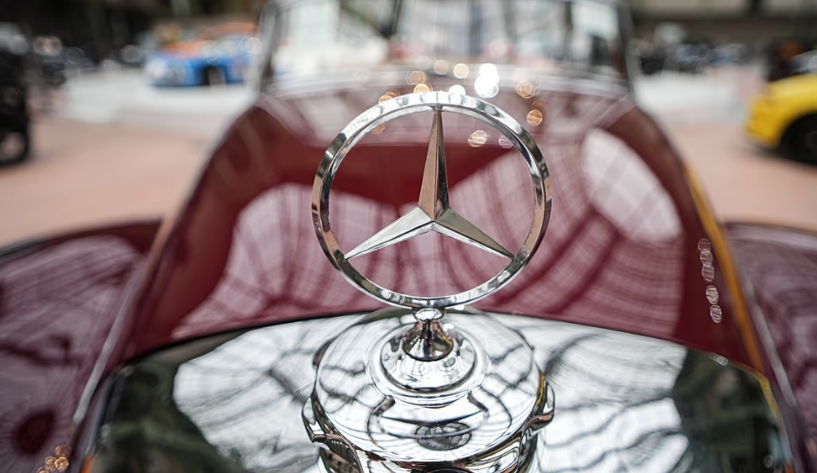
Mercedes-Benz reported a sharp 31% decline in third-quarter profit on Wednesday, as the German automaker faces sluggish demand in China and higher tariffs on exports to the United States.
Net profit fell to €1.19 billion, down from €1.71 billion during the same period last year. Revenue slipped 7% to €32.15 billion, while adjusted earnings before interest and taxes (EBIT) dropped 17% to around €2.1 billion.
Despite the weaker results, the Stuttgart-based company reaffirmed its full-year outlook, with CEO Ola Källenius maintaining a positive stance on the group’s long-term strategy.
“Our third-quarter results are in line with our full-year guidance,” Källenius said in a statement. “Our biggest product and technology launch program is well on track. We remain focused on enhancing customer experience while driving efficiency across our company.”
Mercedes-Benz also confirmed it will proceed with a €2 billion share buyback plan approved earlier this year, signaling confidence in its financial resilience.
Challenges in China and Tariff Pressures
The automaker’s performance was dragged down by a 27% decline in sales in China, its largest market. The world’s second-largest economy continues to grapple with a prolonged slowdown, dampening consumer spending and car demand.
Mercedes, along with other European carmakers, is also under pressure from steep import tariffs on vehicles shipped to the United States amid ongoing trade tensions. The dual impact of tariffs and falling Chinese sales has strained profit margins across the sector.
Adding to the challenge, competition from fast-growing Chinese electric vehicle makers such as BYD and Xiaomi is intensifying. Local manufacturers have gained a competitive edge through lower production costs and government incentives, allowing them to undercut European brands on price.
Maintaining Focus Amid Market Shifts
Mercedes-Benz has been pushing ahead with its strategy to modernize its lineup, expanding its range of electric and hybrid models while investing in digital technologies and automation to improve operational efficiency.
Despite the near-term headwinds, analysts say the company’s decision to maintain its annual guidance reflects confidence in its product pipeline and cost management measures.
The automaker’s results come as the global car industry continues to navigate shifting consumer preferences, economic uncertainty, and growing geopolitical tensions.
While Mercedes-Benz faces challenges in some of its key markets, Källenius expressed optimism about the company’s ability to adapt: “We’re executing our transformation strategy with discipline and remain committed to long-term growth and value creation.”
