


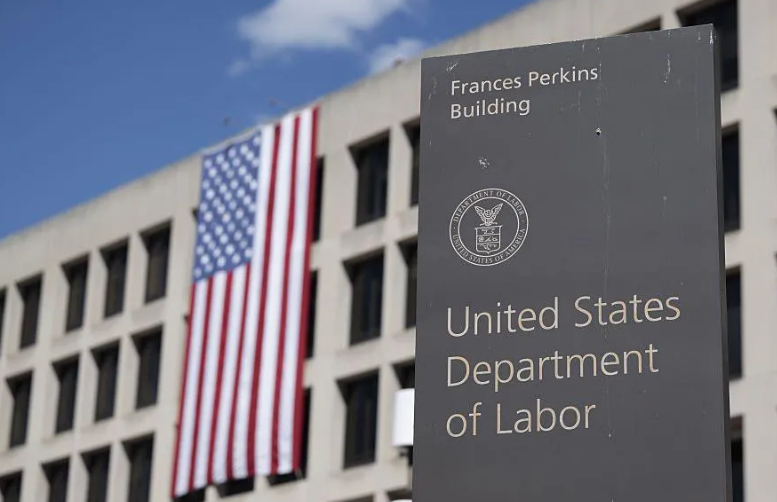
The U.S. Labor Department’s internal watchdog has opened an investigation into how the agency collects and reports key economic indicators, following sharp criticism from the White House and renewed concerns about the reliability of government statistics.
The inspector general’s office confirmed it had launched a review into the Bureau of Labor Statistics (BLS), citing “challenges” in the way the agency gathers and updates jobs and inflation data. The move comes just a day after the BLS revised its employment figures, showing the U.S. economy had added 911,000 fewer jobs in the year to March than previously reported—a steeper downgrade than economists had anticipated.
The revision immediately drew political fire. Last month, President Donald Trump dismissed the head of the BLS, accusing her—without providing evidence—of manipulating data to damage his administration. In her place, Trump has nominated EJ Antoni, a conservative economist known for partisan commentary, sparking fears among Democrats and independent analysts that the White House is attempting to politicize official economic data.
In a letter to acting BLS commissioner William Wiatrowski, the inspector general said the probe would also examine the agency’s recent decisions to reduce the collection of price information, a move that has raised alarm among economists who rely on such data to track inflation trends.
The BLS, which is responsible for publishing widely watched indicators such as the monthly jobs report and Consumer Price Index, has faced mounting challenges in recent years. Declining response rates to its surveys have long been cited as a risk to data accuracy. A 2023 inspector general’s report concluded that while the agency met its obligations, it could “do more” to identify the limits of its statistics and improve transparency around its assumptions.
Critics argue that the Trump administration’s approach has deepened those concerns. Cuts to BLS advisory panels of outside experts and staff reductions in price data collection have been attributed to budget constraints, but many economists say the changes risk undermining the credibility of the data at a time when markets and policymakers depend heavily on it.
“The revisions are concerning, but what’s more troubling is the perception that politics are influencing what should be impartial statistics,” said one Washington-based economist.
The administration has defended its actions, saying reforms are aimed at modernizing the agency and improving the quality of its reports. Still, the inspector general’s investigation underscores the heightened scrutiny surrounding the production of economic data, which plays a crucial role in shaping Federal Reserve policy, business decisions, and voter perceptions ahead of the 2024 election.
The watchdog has examined BLS practices before, but with the credibility of official data now at the center of a political storm, its latest probe carries added significance.
