


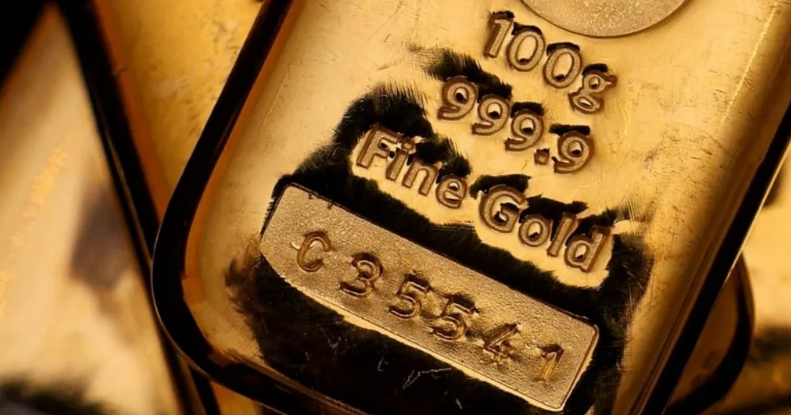
The surge comes amid heightened geopolitical tensions and financial uncertainty. Disputes between the US and NATO over Greenland, along with US President Donald Trump’s trade policies, have rattled markets. On Saturday, Trump threatened to impose a 100% tariff on Canada if it proceeds with a trade deal with China, intensifying investor concerns.
Gold and other precious metals are considered safe-haven assets, often sought during periods of instability. On Friday, silver also reached a record high, topping $100 an ounce after rising almost 150% last year. Analysts say demand has been fueled by persistent inflation, a weaker US dollar, purchases by central banks, and expectations that the US Federal Reserve will cut interest rates later this year.
Global conflicts have further contributed to the rally. Wars in Ukraine and Gaza, combined with the US seizure of Venezuelan President Nicolás Maduro, have increased demand for gold as a stable store of value.
The metal’s scarcity is another driver of its price. According to the World Gold Council, only around 216,265 tonnes of gold have ever been mined—enough to fill between three and four Olympic-sized swimming pools. The majority has been extracted since 1950 as mining technology improved. The US Geological Survey estimates another 64,000 tonnes remain underground, although supply is expected to plateau in the coming years.
“When you own gold, it’s not attached to the debt of somebody else like a bond is, or an equity where a company’s performance drives returns,” said Nicholas Frappell, global head of institutional markets at ABC Refinery. “It’s a really good diversifier in a very uncertain world.”
Gold’s rally continued in 2025 with its largest annual gain since 1979. Investors turned to the metal as concerns over Trump’s tariffs, overvalued AI-related stocks, and other economic uncertainties mounted. “Gold seems to know no bounds,” said Susannah Streeter, chief investment strategist at Wealth Club. “The pile-on into the gilded safe haven is continuing, with the precious metal racing higher.”
Interest rates are also a key factor. With the US Federal Reserve expected to cut rates twice this year, returns on bonds are likely to fall, making gold more attractive. “The opportunity cost of keeping money in a government bond is not worth it anymore, so people go to gold,” said Ahmad Assiri, research strategist at Pepperstone.
Central banks have been significant buyers, adding hundreds of tonnes to reserves, while cultural demand remains strong. In India, gold is purchased during festivals such as Diwali to bring wealth and luck, and households hold an estimated $3.8 trillion in bullion. China, the world’s largest consumer market for gold, sees similar spikes around celebrations like Chinese New Year.
Despite the ongoing rally, Frappell cautioned that the news-driven market could be volatile. Unexpected positive developments globally may trigger a pullback, though demand for investment and cultural reasons is expected to continue supporting prices in the near term.
