


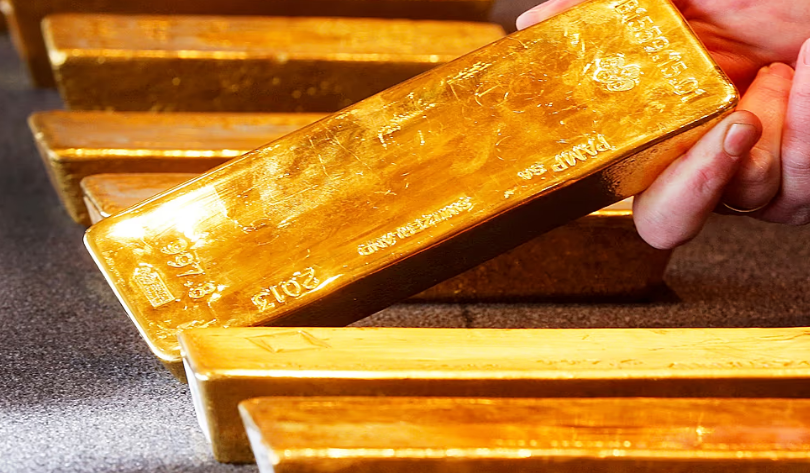
Gold has emerged as the standout performer of 2025, climbing to record highs above $3,600 (€3,080) per ounce and delivering nearly 40% returns since the start of the year—its best run since 1978. The surge underscores the metal’s enduring reputation as a safe haven amid political instability, doubts over US monetary policy independence, and persistent economic uncertainty.
While global equity markets have recorded gains, they have lagged well behind gold. Bonds, once a mainstay of defensive portfolios, continue to disappoint. Benchmark European indices are down around 2% this year, and US Treasuries have halved in price since their 2020 peak. For investors relying on the classic 60/40 portfolio mix of equities and bonds, the past five years have produced only modest returns, with diversification benefits breaking down as both asset classes suffered simultaneous declines.
“Bonds traditionally acted as shock absorbers in times of stress, but with inflation staying elevated, that protection has eroded,” analysts at Goldman Sachs noted. “Gold has stepped in to fill the void.”
The rally has been fuelled not only by private investors but also by central banks, particularly in emerging markets. Since sanctions froze Russia’s foreign reserves in 2022, countries including China, India and Turkey have accelerated efforts to diversify away from the US dollar. Central bank gold purchases have increased fivefold since early 2022, according to the IMF, setting the pace for private investors who are following suit.
Flows into gold-backed exchange-traded funds highlight the trend. The SPDR Gold Shares (GLD), the world’s largest physically backed gold ETF, has attracted more than $11 billion (€9.6 billion) in inflows this year, putting it on track to beat its 2020 record.
Political pressures in the US are adding to the bullish momentum. Former president Donald Trump has publicly criticised Federal Reserve Chair Jerome Powell, raising concerns that the central bank’s independence could be compromised in a future administration. Such interference could weaken the Fed’s ability to manage inflation, further undermining confidence in government bonds and bolstering gold’s appeal.
Goldman Sachs has forecast that if just 1% of private US Treasury holdings shifted into gold, prices could approach $5,000 (€4,263) per ounce. Even under more moderate conditions, the bank expects gold to reach $4,000 (€3,410) by mid-2026.
Analysts argue that the 2025 rally signals more than temporary momentum. With bonds struggling to protect portfolios, high government debt raising questions about fiscal sustainability, and central banks cementing gold’s role in reserves, the yellow metal has reasserted itself as a cornerstone asset.
“Gold’s uncorrelated nature and independence from institutional credibility make it uniquely valuable in today’s environment,” said Samantha Dart of Goldman Sachs. “It is no longer just a hedge—it is becoming the anchor.”
