


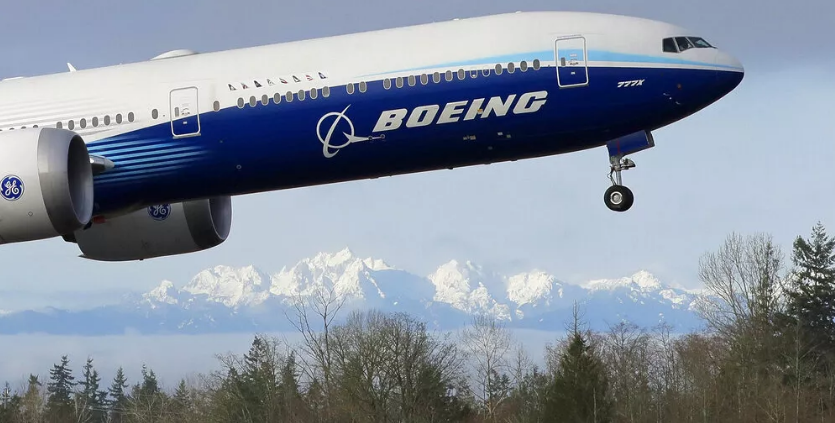
Germany’s aerospace industry has publicly aligned with its French counterpart in urging the European Union to limit potential retaliatory tariffs against the United States to finished aircraft and helicopters, while sparing aerospace spare parts from trade measures.
The German Aerospace Industries Association (BDLI) told Euronews that tariffs on critical components would risk unintended consequences by disrupting tightly integrated transatlantic supply chains. “If the EU must respond, counter-tariffs should focus strictly on fully finished aerospace end products – such as complete aircraft and helicopters – and explicitly exclude spare parts or critical products,” BDLI said in a statement. “This is essential to avoid unintended harm to European and global production networks.”
This position closely mirrors that of France’s aerospace sector and Airbus CEO Guillaume Faury, who has also called for excluding spare parts from any trade measures, citing risks to global production. Faury, who also chairs France’s aerospace industry body GIFAS, has previously warned that targeting components would damage both European and American manufacturers.
The European Commission has included U.S.-manufactured aircraft in a draft list of €95 billion worth of goods that could face punitive tariffs should trade negotiations with Washington collapse. That list, which was open for industry consultation until June 10, now awaits approval by EU member states.
In response, the U.S. has launched a formal investigation into the potential EU measures, raising concerns of escalating trade tensions that could once again embroil the long-standing rivalry between Boeing and Airbus. The conflict threatens to reignite just as both sides attempt to stabilize relations following years of tit-for-tat tariffs.
Despite this rivalry, the two aerospace sectors are deeply interdependent. Major aircraft components, such as the LEAP engine used in both Boeing and Airbus jets, are co-produced by France’s Safran and the U.S.-based General Electric. Industry leaders warn that trade restrictions on parts would jeopardize production and deliveries across both continents.
Aircraft tariffs have become a key sticking point in broader EU-U.S. trade talks. European Commission President Ursula von der Leyen met with President Donald Trump during the G7 summit in Canada earlier this week, where both leaders agreed to accelerate negotiations. EU Trade Commissioner Maroš Šefčovič also held talks with U.S. Trade Representative Jamieson Greer on the sidelines of the summit, with further meetings set to continue in Washington this week.
The urgency comes as the U.S. maintains steep tariffs on EU goods, including 50% on steel and aluminium, 25% on cars, and 10% on other imports. President Trump has warned of raising tariffs to 50% on all EU imports if a new agreement is not reached by July 9.
